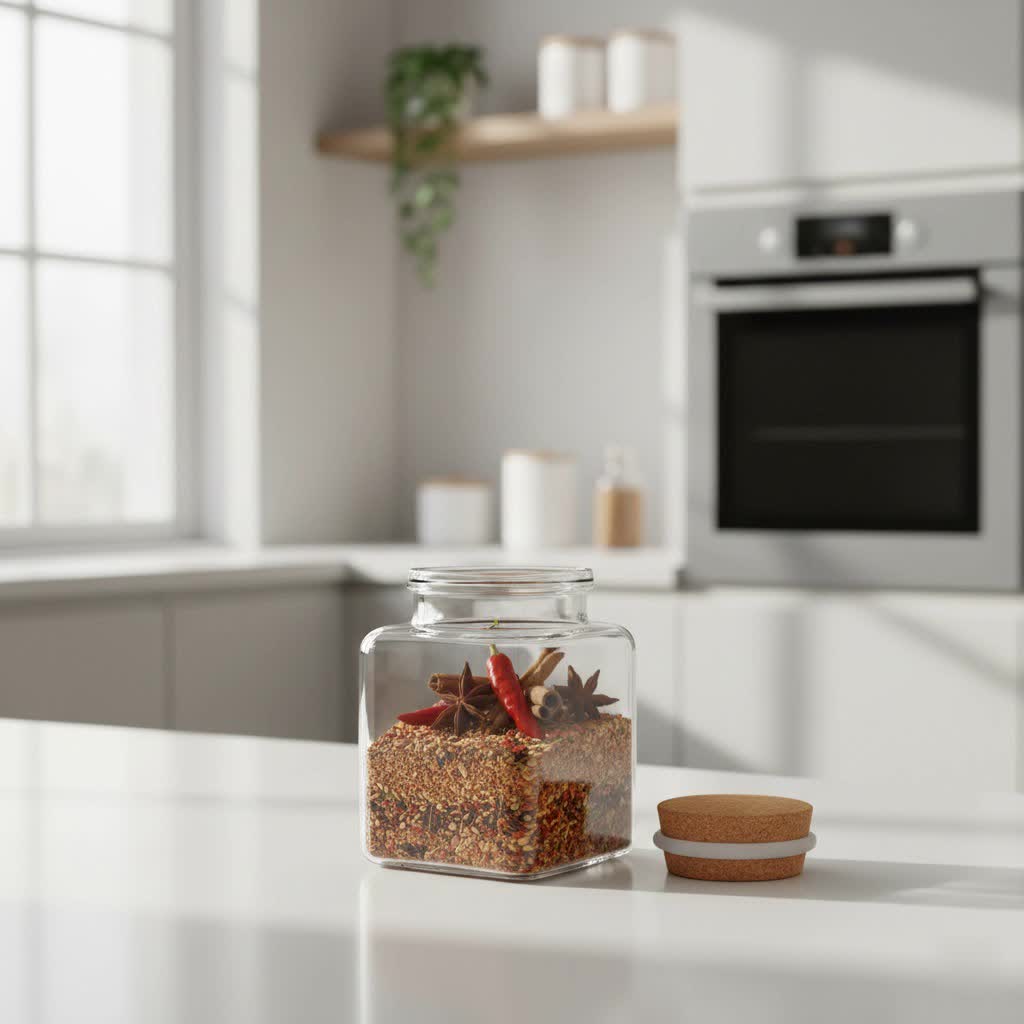
The charm of vintage glass spice jars is undeniable. They bring a touch of history and character to any kitchen, transforming a mundane spice rack into a curated display. However, the allure of these aged beauties comes with a crucial responsibility: ensuring their structural integrity. Over time, even the most robust glass can develop imperceptible flaws like hairline cracks, which can compromise safety, affect food preservation, and diminish the jar’s value. Learning to meticulously inspect these cherished items is essential for both your health and the longevity of your collection. This comprehensive guide will equip you with the knowledge and practical techniques to confidently identify cracks, protecting your spices and preserving your vintage treasures.
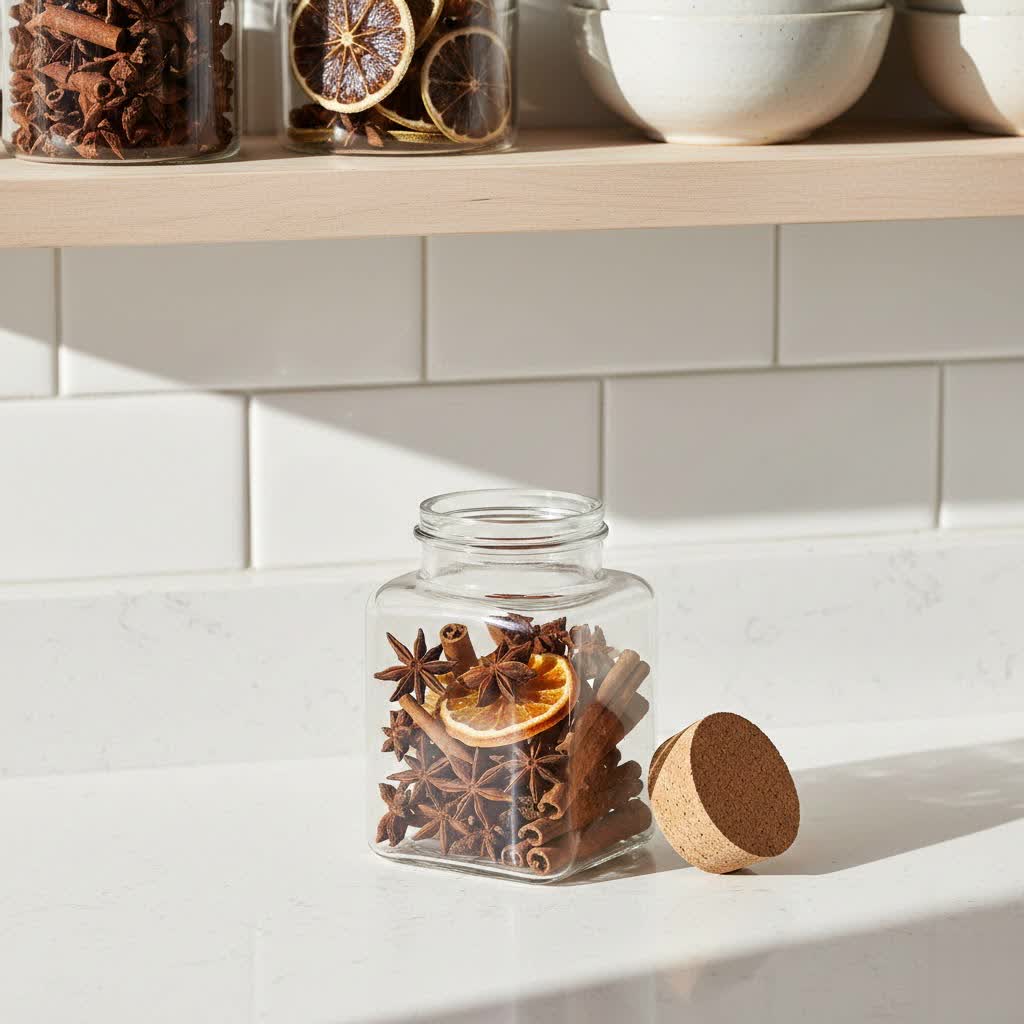
Why Inspect Your Vintage Glass Spice Jars?
|
Our Picks for the Best Glass spice jar in 2026
As an Amazon Associate I earn from qualifying purchases.
|
||
| Num | Product | Action |
|---|---|---|
| 1 | Yangbaga 24Pcs Glass Spice Jars with Labels-4OZ Wood Lid Square Spice Containers with Pepper Grinder Lids &Funnel,Seasoning Jars for Rack Cabinet Drawer |

|
| 2 | SKOCHE Spice Jars 20 Pack Small 4 oz Glass Jars with Airtight Hinged Lids, Spice Herb Jars with Labels and Silicone Funnels, 4oz Glass Jars with Lids Ideal for Spice Herbs |
|
| 3 | ComSaf 4 oz 6Pcs Glass Spice Jars with Label, Empty Spice Containers with Bamboo Lids, Square Seasoning Containers Trial and Supplement Set, Small Seasoning Bottles for Salt, Herbs, Sugar, Pepper |
|
| 4 | DkOvn 12pcs Glass Spice Jars, 4oz Empty Spice Jars with Metal Caps, Labels, Shaker Lids, Collapsible Funnel, Chalk Pen, Seasoning Organizer for Spice Rack |
|
| 5 | 2 Pcs Glass Spice Jars/Bottles - 3oz Empty Round Spice Containers with Airtight Metal Caps with Shaker Lids (2, clear) |
|
| 6 | ComSaf 6Pcs 4oz Glass Spice Jars with Shaker Lids, 21 Labels, Spice Jars Trial Set & Supplement Set, Empty Spice Containers and Square Spice Bottles for Kitchen and Seasoning |
|
| 7 | ZUFECY 4oz Glass Spice Bottles with Shaker Lids, Restaurant & Home Kitchen Storage | Square Air-Tight Containers for Spices, Salt, Pepper (Set of 6, 120ml) |
|
| 8 | NETANY 24 Pcs Glass Spice Jars with Bamboo Lids, 4 oz Glass Jars with Minimalist Farmhouse Spice Labels Stickers, Collapsible Funnel, Seasoning Storage Bottles for Spice Rack, Cabinet, Drawer |
|
| 9 | Churboro 25 Spice Jars with 547 Labels- Glass Spice Jars with Black Metal Caps, 4oz Empty Spice Containers with Shaker Lids, Funnel, Chalk Pen, Square Seasoning Bottles for Spice Rack, Drawer, Cabinet |
|
| 10 | 2Pcs 4oz Glass Spice Jars with Shaker Lids, Spice Jars Trial Set & Supplement Set, Empty Spice Containers and Square Spice Bottles for Kitchen (Bamboo Lids) |
|
Before you fill a beautiful antique jar with your freshly ground turmeric or precious saffron threads, a thorough inspection is paramount. Cracks, no matter how small, create weak points in the glass. For everyday use, these weaknesses pose a risk of sudden breakage, especially when exposed to temperature changes or minor impacts. More critically, for food storage, even microscopic cracks can harbor bacteria, making the jar unhygienic, or compromise the airtight seal necessary to keep your spices fresh and flavorful. Identifying these flaws early ensures food safety, maintains the quality of your ingredients, and protects the investment in your vintage collection.
Understanding Different Types of Glass Damage
Not all imperfections are created equal. Distinguishing between various types of glass damage is key to an effective inspection:
- Scratches: These are superficial marks, typically on one side of the glass. They tend to be straight or slightly curved and do not usually compromise the structural integrity unless they are very deep or numerous. Scratches generally do not spread.
- Chips: A chip indicates a small piece of glass that has broken off, often leaving a noticeable indentation or rough edge. While not always a structural failure, chips around the rim can prevent an airtight seal.
- Cracks: Unlike scratches, cracks penetrate through the glass, or at least significantly into its structure. They often follow an irregular, branching pattern and can be felt on both sides of the glass (if accessible). Cracks are inherently unstable and prone to spreading, especially under stress, temperature fluctuations, or continued use.
- Hairline Cracks: These are the trickiest to detect. Hairline cracks are extremely fine, often barely visible to the naked eye. They can appear as faint lines or even just a shimmer in the glass, yet they signify a critical structural weakness.
Essential Tools for Crack Detection
To give your vintage spice jars the scrutiny they deserve, gather a few simple tools:
- A Bright Light Source: Natural daylight, a powerful LED flashlight, or a bright lamp is crucial. Uniform illumination helps reveal subtle imperfections.
- A Magnifying Glass: For those elusive hairline cracks, a magnifying glass is indispensable, allowing you to examine the glass surface in detail.
- A Metal Spoon: For the acoustic “ping” test, a small metal spoon provides a consistent tap.
- Water (and an eyedropper/spray bottle): Essential for water-based tests that highlight leaks and fine cracks.
- A White Cloth or Paper: A neutral background helps cracks stand out against the clear glass.
- Optional: Polarized Sunglasses: These can sometimes make stress lines and internal cracks more visible by enhancing contrast.
Step-by-Step Guide: How to Detect Cracks
A systematic approach is best when inspecting vintage glass. Patience and attention to detail will be your greatest assets.
Visual Inspection Techniques
Visual inspection is your first line of defense. Start by giving the jar a thorough look-over.
- Optimal Lighting and Background: Hold the jar up to a bright, uniform light source. A white background, such as a white cloth or piece of paper, placed behind or inside the jar, can dramatically improve visibility, making faint lines more apparent. Rotate the jar slowly, allowing the light to hit every angle.
- The “Tilting” Method: As you rotate the jar, gently tilt it from side to side. Hairline cracks, particularly, can “flash” or shimmer like a silver thread when light catches them at just the right angle. This reflective quality is a tell-tale sign of a hidden break.
- Using a Magnifying Glass: For any suspicious areas, or for a general detailed scan, use a magnifying glass. Pay close attention to high-stress areas like the rim, neck, base, and any points where the glass changes shape or thickness. Look for any tiny lines, inclusions, or disruptions in the glass’s smooth surface.
- Checking for Distorted Reflections: Observe reflections on the jar’s surface. If the reflections appear wavy, blurred, or inconsistent, it could indicate internal stress or subtle structural damage within the glass, even without a visible surface crack.
Tactile Inspection: The Fingertip Test
Sometimes, you can feel what you can’t easily see.
- Careful Palpation: Gently run your fingertips along both the inside and outside surfaces of the jar. Pay particular attention to the rim, threads, neck, and base – these are common areas for stress cracks and impact damage. A crack will often present as a slight ridge, an unevenness, or a subtle discontinuity that your finger can detect. Be extremely cautious, especially around the rim, to avoid cuts.
The Acoustic “Ping” Test
This classic method relies on the sound produced by intact glass.
- Gentle Tap: Hold the jar loosely by the body. Gently tap the rim or the body of the jar with the edge of a metal spoon.
- Listen Carefully: An intact glass jar should produce a clear, resonant, bell-like “ping” sound. A dull thud, a flat sound, or a dead “clunk” is often an indication of a crack or other structural flaw absorbing the vibration. This test is highly effective for identifying hidden issues throughout the jar.
Water-Based Detection Methods
Water can be a powerful ally in revealing leaks and fine cracks.
- The Water Fill Test for Leaks: Fill the jar with water and let it sit for several hours, or even overnight, on a dry surface (like a paper towel). Regularly check for any drips or seepage. This method is particularly effective for pinpointing leaks caused by hidden cracks that might otherwise go unnoticed.
- The Moisture Spray Test for Hairlines: For extremely fine, almost invisible cracks, mist the exterior of the jar with a spray bottle filled with water. The tiny water droplets will tend to cling to and collect within any hairline cracks, outlining them in dark streaks and making them much easier to spot.
Advanced Tip: Polarized Sunglasses
For the most discerning eye, polarized sunglasses can offer an additional advantage. When worn, they can help stress lines and micro-fractures “pop” against the clear glass by filtering out glare and enhancing contrast. Look for faint rainbow flickers or unusual patterns within the glass that might suggest internal stress.
What to Do If You Find a Crack?
If your careful inspection reveals a crack, it’s crucial to understand that the jar’s primary function for food storage is compromised.
- Prioritize Safety: Never use a cracked glass jar for canning, hot liquids, or for storing food, as it poses a significant risk of breakage and potential food contamination.
- Repurpose with Care: Consider repurposing cracked jars for non-food items, such as organizing craft supplies, holding dried flowers, or as decorative pieces where their beauty can still be appreciated without safety concerns.
- Responsible Disposal: For severe cracks or if you’re uncomfortable repurposing, safely dispose of the jar. Wrap it carefully to prevent injury during disposal.
“A keen eye and a thoughtful approach to inspecting vintage glass are not just about preservation; they’re about honoring the history and ensuring the safe enjoyment of these timeless pieces.” – Eleanor Vance, Vintage Homewares Conservator
Preventing Future Cracks in Vintage Glass
While vintage glass has already withstood the test of time, you can extend its lifespan further with proper care:
- Handle with Care: Always handle vintage jars gently, avoiding impacts or sudden movements that could cause stress.
- Avoid Thermal Shock: Glass is highly susceptible to sudden temperature changes. Never transfer a cold jar directly into hot water or vice-versa. Allow jars to acclimate to room temperature before washing or using them with hot contents.
- Gentle Cleaning: Handwash vintage jars with warm (not hot) soapy water. Avoid abrasive scrubbers. If using a dishwasher, ensure jars are spaced apart and use a gentle cycle with a mild detergent, as harsh chemicals or aggressive cycles can contribute to weakening glass over time.
- Proper Storage: Store jars in a way that prevents them from knocking against each other. Use shelf liners or dividers if necessary.
Conclusion
Vintage glass spice jars are more than just containers; they are fragments of culinary history, capable of adding unparalleled character to your kitchen. However, their age necessitates a diligent approach to maintenance, starting with a meticulous inspection for cracks. By employing visual scrutiny, tactile feedback, the acoustic “ping” test, and water-based methods, you can confidently identify even the most elusive hairline cracks. Prioritizing safety and proper care ensures these beautiful artifacts remain cherished, functional, and safe additions to your home for many years to come.
How will you begin your vintage spice jar inspection journey today to safeguard your treasured collection?
Frequently Asked Questions
How can I distinguish a deep scratch from a hairline crack in vintage glass?
A scratch is typically superficial, appearing as a line on one side of the glass that doesn’t significantly penetrate its thickness. A hairline crack, however, usually goes through or deep into the glass, often exhibiting a slight unevenness when felt with a fingertip on both surfaces, or by showing a distinctive shimmer when light reflects off it at an angle. If water seeps through, it’s definitely a crack, not a scratch.