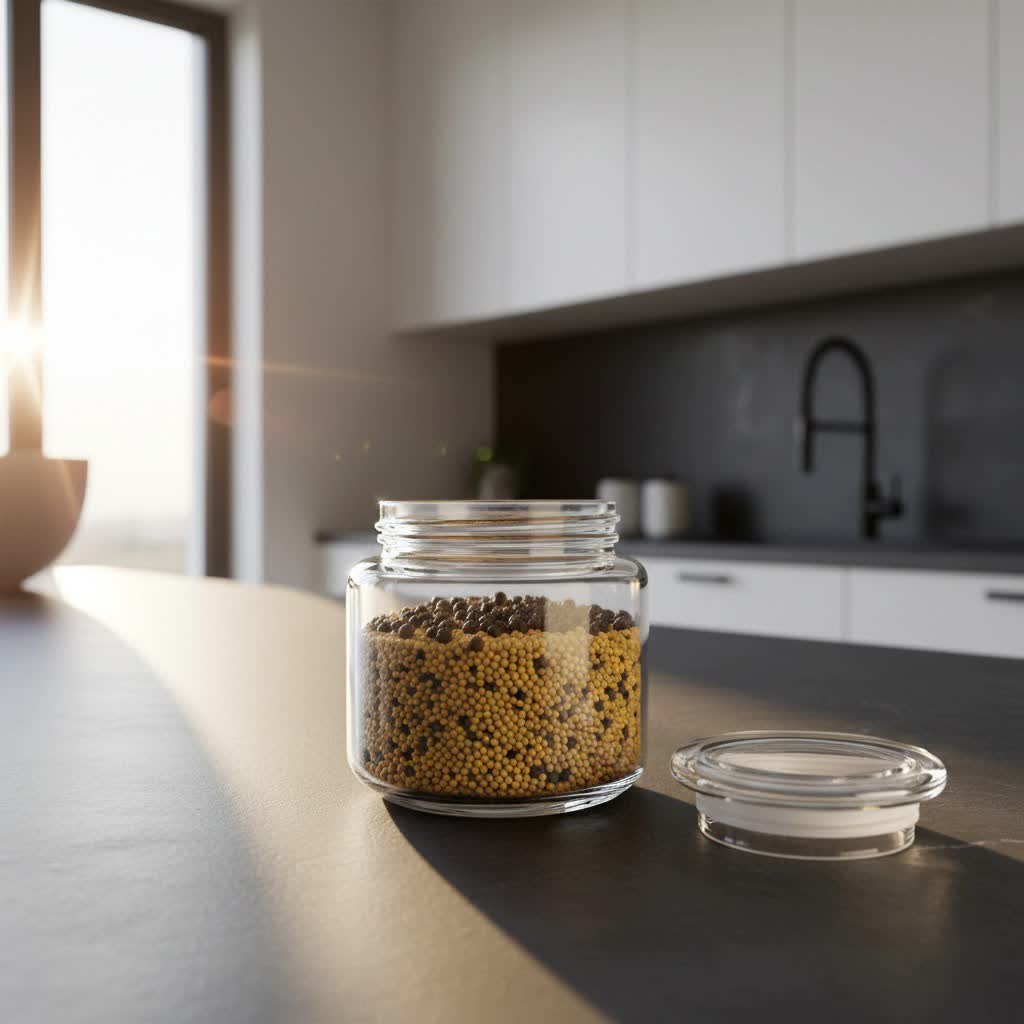
The aromatic magic of a well-stocked spice cabinet is the heart of any vibrant kitchen. Yet, there’s a common culinary heartbreak: opening a jar of once-fragrant spices only to find their potency diminished, their vibrant notes dulled by time and exposure. Air, moisture, and light are the silent culprits, slowly stealing the essential oils and vibrant flavors that make your dishes sing. Imagine a solution that locks in that freshness, preserving the peak potency of your favorite seasonings for months, even years. This is where the art of vacuum sealing glass spice jars for long-term storage becomes an invaluable skill for any home cook, transforming your pantry into a treasure trove of perfectly preserved flavors.
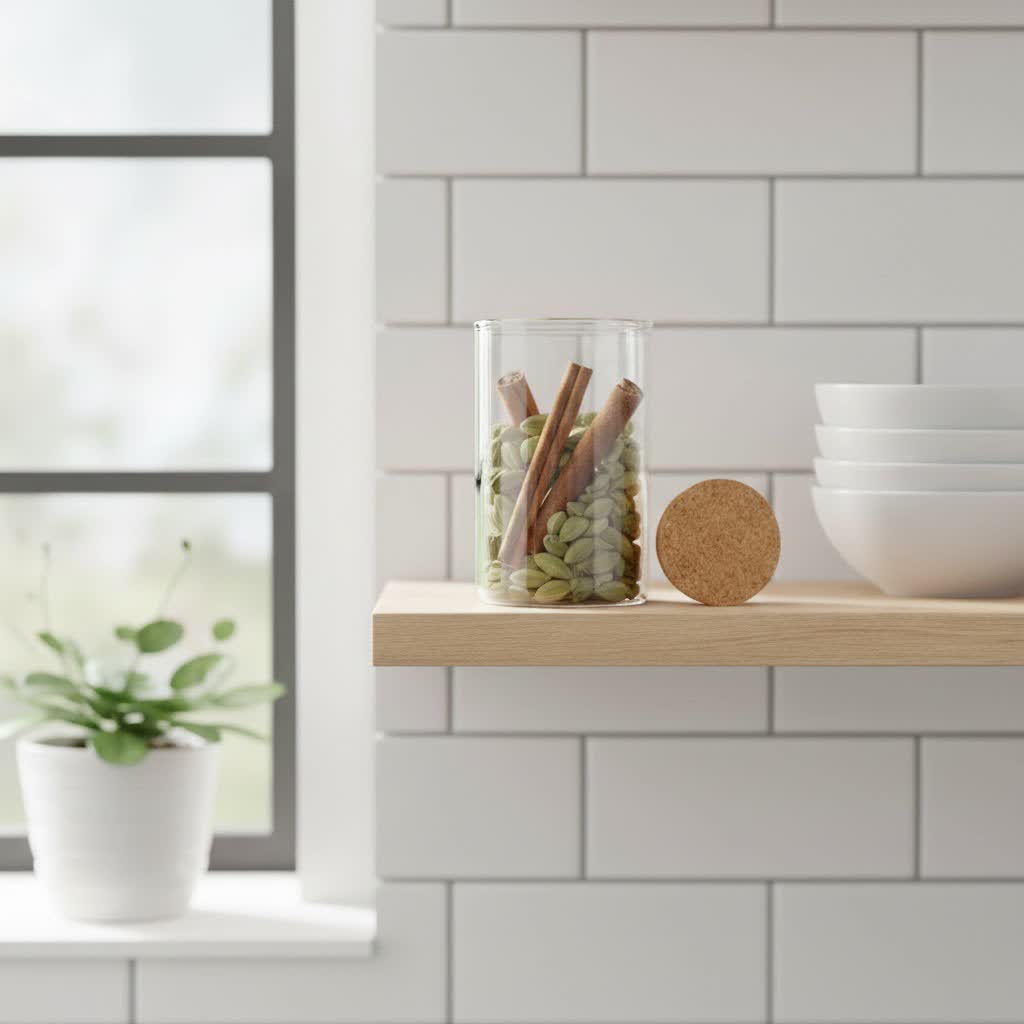
The Undeniable Advantages of Glass Spice Jars
When it comes to safeguarding the delicate essence of your herbs and spices, glass jars stand head and shoulders above other storage options. Their inherent qualities make them the ideal vessel for long-term preservation, especially when paired with the power of vacuum sealing.
Uncompromised Health Safety
|
Our Picks for the Best Glass spice jar in 2026
As an Amazon Associate I earn from qualifying purchases.
|
||
| Num | Product | Action |
|---|---|---|
| 1 | SKOCHE Spice Jars 20 Pack Small 4 oz Glass Jars with Airtight Hinged Lids, Spice Herb Jars with Labels and Silicone Funnels, 4oz Glass Jars with Lids Ideal for Spice Herbs |

|
| 2 | ComSaf 4 oz 6Pcs Glass Spice Jars with Label, Empty Spice Containers with Bamboo Lids, Square Seasoning Containers Trial and Supplement Set, Small Seasoning Bottles for Salt, Herbs, Sugar, Pepper |
|
| 3 | Churboro 25 Spice Jars with 547 Labels- Glass Spice Jars with Black Metal Caps, 4oz Empty Spice Containers with Shaker Lids, Funnel, Chalk Pen, Square Seasoning Bottles for Spice Rack, Drawer, Cabinet |
|
| 4 | 2 Pcs Glass Spice Jars/Bottles - 3oz Empty Round Spice Containers with Airtight Metal Caps with Shaker Lids (2, clear) |
|
| 5 | ComSaf 6Pcs 4oz Glass Spice Jars with Shaker Lids, 21 Labels, Spice Jars Trial Set & Supplement Set, Empty Spice Containers and Square Spice Bottles for Kitchen and Seasoning |
|
| 6 | ZUFECY 4oz Glass Spice Bottles with Shaker Lids, Restaurant & Home Kitchen Storage | Square Air-Tight Containers for Spices, Salt, Pepper (Set of 6, 120ml) |
|
| 7 | 2Pcs 4oz Glass Spice Jars with Shaker Lids, Spice Jars Trial Set & Supplement Set, Empty Spice Containers and Square Spice Bottles for Kitchen (Bamboo Lids) |
|
| 8 | NETANY 24 Pcs Glass Spice Jars with Bamboo Lids, 4 oz Glass Jars with Minimalist Farmhouse Spice Labels Stickers, Collapsible Funnel, Seasoning Storage Bottles for Spice Rack, Cabinet, Drawer |
|
| 9 | Yangbaga 24Pcs Glass Spice Jars with Labels-4OZ Wood Lid Square Spice Containers with Pepper Grinder Lids &Funnel,Seasoning Jars for Rack Cabinet Drawer |
|
| 10 | DkOvn 12pcs Glass Spice Jars, 4oz Empty Spice Jars with Metal Caps, Labels, Shaker Lids, Collapsible Funnel, Chalk Pen, Seasoning Organizer for Spice Rack |
|
Glass is a champion of purity in food storage. Unlike some plastics, high-quality glass is chemically inert, meaning it won’t react with the contents stored inside. This ensures that your precious spices retain their natural flavor and aroma, free from any leaching of harmful chemicals like BPA or phthalates. With glass, you guarantee a clean, untainted environment for your culinary essentials, protecting both their integrity and your family’s health.
Exceptional Durability and Longevity
Glass jars are built to last. They offer remarkable resistance to stains, odors, and scratches, making them incredibly easy to clean and sanitize for repeated use. While glass can be fragile if dropped, its structural integrity under normal conditions makes it a robust choice for long-term storage. Many glass jars are also heat-resistant, allowing for thorough sterilization in boiling water or dishwashers, which is vital for maintaining a pristine storage environment.
Aesthetic Appeal and Practicality
Beyond their practical benefits, glass spice jars add an undeniable touch of elegance to any kitchen. Their transparent nature allows you to easily identify contents at a glance, streamlining your cooking process. Available in a myriad of shapes and sizes, from classic rounds to sleek squares, glass jars can complement any kitchen aesthetic, transforming your spice collection into an organized and visually appealing display. This transparency also allows for quick visual inspection of your spices, ensuring they remain in prime condition.
Superior Preservation Capabilities
While standard glass jars provide a good seal, they still contain air, which is the primary enemy of spice longevity. However, glass’s rigid, non-porous surface makes it perfectly suited for creating an impenetrable vacuum seal. This capability is crucial, as a truly airtight environment is the cornerstone of preserving the vibrant flavors and nutritional value of your spices for extended periods.
Glass Jars vs. Other Storage Materials: A Clear Winner for Spices
Understanding why glass excels requires a brief comparison with alternative storage solutions, especially in the context of vacuum sealing.
| Material | Advantages | Disadvantages | Why Glass Wins for Vacuum Sealing Spices |
|---|---|---|---|
| Glass | Safe, durable, aesthetically pleasing, easy to clean, excellent for vacuum sealing. | Can break, potentially higher initial cost. | Its rigidity holds a perfect vacuum without collapsing, and it doesn’t absorb odors or leach chemicals, ensuring the purest preservation of spice flavor and aroma. |
| Plastic | Lightweight, inexpensive, shatterproof. | Can absorb odors/stains, may contain BPA, not as durable as glass, can degrade, fine powders can compromise vacuum seal bags. | While plastic containers are convenient, their porous nature can lead to odor absorption and potential chemical leaching over time. For vacuum sealing, plastic bags are often problematic for fine powders like spices, as particles can prevent a complete seal. |
| Metal | Durable, light-blocking, shatterproof. | Can rust, may react with certain foods, contents not visible. | Metal can be good for light protection but offers no visibility. More importantly, it can react with certain spices over time, altering their flavor. Vacuum sealing often requires specific jar types that metal containers typically don’t accommodate. |
| Ceramic/Porcelain | Elegant, opaque (light-blocking), non-reactive. | Fragile, expensive, difficult to see contents, often not designed for vacuum sealing. | Ceramic offers aesthetic appeal and light protection, but it’s typically heavier, more expensive, and most importantly, not designed for the precise seal required for effective vacuum sealing. The opacity also prevents quick visual checks of your spice’s condition. |
For spices, which are often delicate and prone to flavor loss, glass provides the safest, most effective, and most reliable long-term storage solution, particularly when enhanced by vacuum sealing.
Popular Types of Glass Jars Ideal for Vacuum Sealing Spices
When selecting glass jars for vacuum sealing your spices, a few types stand out for their compatibility and effectiveness:
- Mason Jars (Canning Jars): These are perhaps the most common and versatile choice. Available in various sizes (half-pint, pint, quart, half-gallon) and mouth widths (regular and wide-mouth), Mason jars are designed for sealing. They are readily available and work with standard jar sealer accessories that attach to many vacuum sealing machines.
- Specialized Vacuum Seal Jars: Some brands offer glass jars specifically designed with built-in vacuum valves or unique lid systems that integrate seamlessly with their proprietary vacuum pumps. These can be very convenient, often requiring just a handheld pump.
- Repurposed Glass Jars with Compatible Lids: Don’t overlook sturdy glass jars from store-bought foods like sauces or pickles. If they fit standard Mason jar lids (and thus, vacuum sealer accessories), they can often be repurposed for vacuum sealing, provided they are thoroughly cleaned and inspected.
Consider the volume of spices you typically buy or use. Smaller jars (e.g., 4 oz to 8 oz) are perfect for individual spices you use frequently, while larger jars (e.g., 16 oz or more) are excellent for bulk spices or homemade blends that you want to preserve for extended periods.
Your Guide to Vacuum Sealing Glass Spice Jars
Vacuum sealing spices in glass jars is a straightforward process that yields remarkable results. Here’s a step-by-step guide to achieving the perfect long-term seal.
Essential Equipment
Before you begin, gather the necessary tools:
- Clean, Dry Glass Jars: Mason jars (pint, half-pint, etc.) are commonly used. Ensure they are sparkling clean and completely dry to prevent moisture from compromising the seal or promoting spoilage.
- New or Undamaged Metal Lids: For Mason jars, use new flat metal lids (not the bands). The sealing compound on new lids ensures the best vacuum seal. While used lids can sometimes work, a fresh seal is ideal for long-term storage.
- Vacuum Sealer Machine with Jar Sealer Attachment: A FoodSaver-style vacuum sealer with a dedicated jar sealer accessory (available for both regular and wide-mouth jars) is highly effective.
- Handheld Vacuum Pump (for specialized jars): If you’re using jars with integrated vacuum valves, a compatible handheld pump will be required.
- Clean Cloth or Paper Towel: Essential for wiping jar rims.
Step-by-Step Vacuum Sealing Process
- Prepare Your Jars and Spices: Start with thoroughly washed and completely dry glass jars and lids. Any moisture can lead to mold or spoilage. Fill your jars with the desired spices, leaving adequate headspace—typically 1/2 to 1 inch from the rim. This space is crucial for the vacuum to form correctly without pulling spice particles into the sealing mechanism.
- Clean the Jar Rim: This is a critical step, especially for powdered spices. Use a clean, dry cloth or paper towel to meticulously wipe down the rim of each jar. Even a tiny speck of spice dust, oil, or debris can prevent a proper vacuum seal, leading to premature air leakage.
- Position the Lid: Center a new or undamaged metal lid onto the clean jar rim. For Mason jars, you will place the flat lid directly on top. The metal band is not needed during the vacuum sealing process itself, as the vacuum pressure holds the lid in place.
- Attach the Jar Sealer: Place the appropriate jar sealer accessory firmly over the lid and onto the top of the glass jar. Ensure it creates a tight fit.
- Initiate Vacuum Sealing: Connect the hose from your vacuum sealer machine to the port on the jar sealer attachment. Activate your vacuum sealer according to its manufacturer’s instructions. The machine will begin to extract air from the jar.
- Verify the Seal: Once the vacuum cycle is complete and the machine stops, carefully remove the jar sealer attachment. Check the lid: a successful vacuum seal will cause the center of the lid to be visibly concave or depressed. You should not be able to easily lift the lid off the jar. If the lid is still loose or pops up, the seal failed, and you’ll need to re-clean the rim and repeat the process with a new lid if necessary.
The Powerful Benefits of Vacuum Sealing Spices in Glass Jars
Embracing vacuum sealing for your spice storage offers a cascade of advantages that elevate your culinary experience and pantry management.
- Dramatically Extended Shelf Life: By removing oxygen, the primary culprit in food spoilage, vacuum sealing can extend the shelf life of dry spices by up to 5 to 6 times longer compared to traditional airtight storage. This means your paprika stays vibrant and your cumin potent for significantly extended periods.
- Preservation of Flavor, Aroma, and Potency: Oxygen causes oxidation, which degrades the essential oils responsible for a spice’s unique flavor and aroma. Vacuum sealing creates an anaerobic environment, effectively “pausing” this degradation and ensuring that your spices retain their full, vibrant character until you’re ready to use them.
- Protection Against Degradation and Contaminants: Beyond oxygen, vacuum sealing safeguards spices from moisture, pests, and the growth of mold and bacteria. The airtight barrier prevents environmental humidity from clumping powders and deters pantry moths or other unwelcome guests.
- Cost Savings and Waste Reduction: Buying spices in bulk is often more economical, but concerns about freshness can deter many. Vacuum sealing allows you to confidently purchase larger quantities, saving money in the long run and significantly reducing food waste from stale or expired spices.
- Environmentally Friendly: Reusing durable glass jars for vacuum sealing aligns perfectly with sustainable living practices. It minimizes the need for single-use plastic packaging and maximizes the utility of existing containers.
“Vacuum-sealed glass jars are not just storage containers; they are guardians of flavor, ensuring every pinch of spice brings the intensity it was meant to.” – Dr. Eleanor Vance, Culinary Chemist and Food Preservation Expert
Smart Tips for Maintaining Your Vacuum-Sealed Spice Jars
To maximize the benefits of vacuum sealing and ensure your spices remain in peak condition, proper care and handling are essential.
- Prioritize Cleanliness: Always ensure jars and lids are meticulously clean and completely dry before sealing. Residual moisture can trap bacteria, while food particles on the rim can prevent a proper seal.
- Store in a Cool, Dark Place: Even though vacuum sealed, heat and light can still degrade spices over time. Storing your sealed jars in a cool, dark pantry or cupboard will further extend their potency and color.
- Inspect Seals Regularly: Periodically check the lids of your sealed jars. If a lid is no longer depressed or pops up easily, the vacuum seal has been lost. In such cases, the spice is still safe to use (unless there are visible signs of spoilage), but it should be re-sealed or used quickly.
- Gentle Lid Removal: To open a vacuum-sealed Mason jar without damaging the lid for potential reuse, carefully insert the flat edge of a butter knife or a can opener’s hook under the lid’s edge and gently pry it up until you hear the air rush in. Avoid bending or distorting the lid excessively, as this can compromise its ability to seal again.
- Label Clearly: Always label your jars with the spice name and the date it was vacuum sealed. This simple practice helps you keep track of your inventory and ensures you use older spices first.
Conclusion
Vacuum sealing glass spice jars is a game-changer for anyone passionate about cooking. It’s an investment in the longevity and vibrancy of your culinary ingredients, ensuring that every dish you prepare is infused with the freshest, most potent flavors. By embracing this simple yet powerful preservation technique, you’ll not only extend the life of your spices by many months but also reduce waste, save money, and elevate your cooking to new heights. The safety, durability, and effectiveness of glass, combined with the power of a vacuum seal, create an unparalleled storage solution. Don’t let your valuable spices fade into obscurity; give them the protection they deserve.
Are you ready to unlock the full potential of your spice collection and infuse every meal with uncompromised flavor?
Frequently Asked Questions
How long can spices truly last when vacuum sealed in glass jars?
When vacuum sealed in glass jars and stored in optimal cool, dark conditions, many dry spices can retain their potency and flavor for up to 2-3 years, and some even longer, significantly extending their typical shelf life of 6-12 months in conventional containers.
Can I reuse the metal lids for vacuum sealing Mason jars?
While it’s generally recommended to use new metal lids for canning to ensure food safety, for dry vacuum sealing, you can often reuse undamaged metal lids as long as the sealing compound on the rim is intact and creates a reliable vacuum. Inspect them carefully for any dents or signs of wear.
Is it necessary to use oxygen absorbers in addition to vacuum sealing for spices?
For dry spices, vacuum sealing alone is typically sufficient to remove enough oxygen for long-term preservation. Adding oxygen absorbers is usually considered overkill, though it can provide an extra layer of protection if the vacuum seal were to unexpectedly fail during storage.
What’s the best type of glass jar for vacuum sealing spices?
Standard Mason jars (canning jars) are widely considered the best choice due to their robust design, wide availability, and compatibility with common vacuum sealer jar attachments. Their straight sides and two-piece lid system (though only the flat lid is used for vacuum sealing) are ideal.
How do I open a vacuum-sealed glass jar without damaging the lid?
To open, gently insert the flat end of a butter knife or a can opener’s hook under the edge of the lid and lift slightly. You should hear a hiss as air enters the jar and releases the vacuum. Avoid forceful prying that could bend or damage the lid.
Can vacuum sealing prevent spices from clumping due to humidity?
Yes, vacuum sealing is highly effective at preventing clumping in powdered spices. By removing air and moisture, it creates a dry environment that keeps hygroscopic (moisture-absorbing) spices free-flowing and prevents them from solidifying.