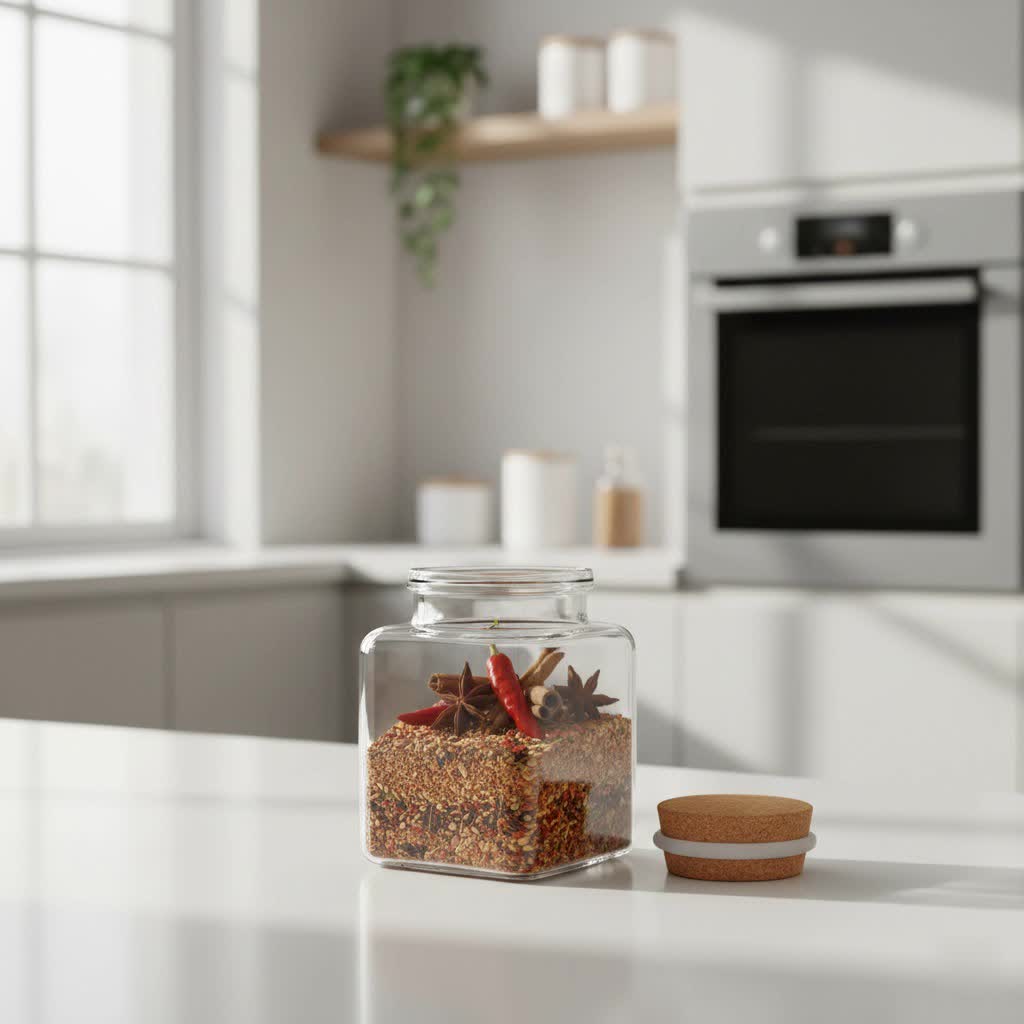
Are your beautiful glass spice jars hidden behind stubborn, unsightly labels and sticky residue? You’re not alone. Many of us hoard these versatile containers, only to be frustrated by adhesive that refuses to budge. But don’t toss those treasures! With the right approach, you can transform your old jars into sparkling, reusable storage solutions, perfectly suited for your organized kitchen or creative projects. As an expert who has spent years perfecting the art of glass jar restoration, I’m here to share proven methods to tackle even the most tenacious labels, ensuring your jars are pristine and ready for their next life.
Why Bother Removing Labels from Glass Jars?
|
Our Picks for the Best Glass spice jar in 2026
As an Amazon Associate I earn from qualifying purchases.
|
||
| Num | Product | Action |
|---|---|---|
| 1 | NETANY 24 Pcs Glass Spice Jars with Bamboo Lids, 4 oz Glass Jars with Minimalist Farmhouse Spice Labels Stickers, Collapsible Funnel, Seasoning Storage Bottles for Spice Rack, Cabinet, Drawer |

|
| 2 | DkOvn 12pcs Glass Spice Jars, 4oz Empty Spice Jars with Metal Caps, Labels, Shaker Lids, Collapsible Funnel, Chalk Pen, Seasoning Organizer for Spice Rack |
|
| 3 | Yangbaga 24Pcs Glass Spice Jars with Labels-4OZ Wood Lid Square Spice Containers with Pepper Grinder Lids &Funnel,Seasoning Jars for Rack Cabinet Drawer |
|
| 4 | 2Pcs 4oz Glass Spice Jars with Shaker Lids, Spice Jars Trial Set & Supplement Set, Empty Spice Containers and Square Spice Bottles for Kitchen (Bamboo Lids) |
|
| 5 | ComSaf 4 oz 6Pcs Glass Spice Jars with Label, Empty Spice Containers with Bamboo Lids, Square Seasoning Containers Trial and Supplement Set, Small Seasoning Bottles for Salt, Herbs, Sugar, Pepper |
|
| 6 | 2 Pcs Glass Spice Jars/Bottles - 3oz Empty Round Spice Containers with Airtight Metal Caps with Shaker Lids (2, clear) |
|
| 7 | ComSaf 6Pcs 4oz Glass Spice Jars with Shaker Lids, 21 Labels, Spice Jars Trial Set & Supplement Set, Empty Spice Containers and Square Spice Bottles for Kitchen and Seasoning |
|
| 8 | SKOCHE Spice Jars 20 Pack Small 4 oz Glass Jars with Airtight Hinged Lids, Spice Herb Jars with Labels and Silicone Funnels, 4oz Glass Jars with Lids Ideal for Spice Herbs |
|
| 9 | ZUFECY 4oz Glass Spice Bottles with Shaker Lids, Restaurant & Home Kitchen Storage | Square Air-Tight Containers for Spices, Salt, Pepper (Set of 6, 120ml) |
|
| 10 | Churboro 25 Spice Jars with 547 Labels- Glass Spice Jars with Black Metal Caps, 4oz Empty Spice Containers with Shaker Lids, Funnel, Chalk Pen, Square Seasoning Bottles for Spice Rack, Drawer, Cabinet |
|
Beyond the simple satisfaction of a clean jar, there are many practical reasons to remove those sticky labels. Reusing glass jars is an eco-friendly practice, reducing waste and saving money. Once clean, they become ideal containers for homemade spices, teas, jams, or even craft supplies. A uniform collection of clear jars instantly elevates your pantry’s aesthetic, allowing you to easily identify contents and maintain a clutter-free space. Plus, you avoid the potential transfer of old label chemicals or dyes to new contents.
Essential Tools and Supplies for Label Removal
Before you begin your label-removal mission, gather a few common household items. Having these on hand will make the process smoother and more efficient:
- Scrapers: A plastic scraper, an old credit card, or a butter knife can gently lift softened labels and adhesive. For very stubborn, dried-on residue, a razor blade scraper can be effective, but use it with extreme caution to avoid scratching the glass or injuring yourself.
- Cleaning Cloths: Microfiber cloths, sponges, or paper towels are essential for applying solutions and wiping away residue.
- Heat Sources: A kettle for hot water, a hairdryer, or even access to your stovetop can be beneficial.
- Soaking Basins: A sink, a large pot, or a shallow container for soaking jars.
- Protective Gear: Gloves are recommended when working with stronger solvents to protect your skin.
Method 1: Hot Water & Soap – The Classic Approach
Often, the simplest solutions are the most effective. Heat and lubrication are a powerful duo against many adhesives.
How does hot water and soap help remove labels?
Hot water and dish soap work by softening the label paper and weakening the adhesive bond, allowing the label to peel away more easily. The soap acts as a lubricant and helps break down oils in the glue.
- Soaking Method: Fill your sink or a large basin with hot, soapy water. Submerge the glass jars completely, ensuring the labels are fully underwater. Let them soak for at least 30 minutes, or even a few hours for tougher labels. The heat will loosen the adhesive, and the water will saturate the paper. After soaking, you should be able to peel most of the label off.
- Boiling Water Method: For particularly stubborn labels, fill the jar with boiling water (or place the jar in a pot of simmering water on the stovetop). The intense heat directly targets the adhesive. Allow it to sit for 10-15 minutes. Carefully pour out the water or remove the jar, and the label should often slide right off. Be very cautious when handling hot glass.
After removing the main label, if some sticky residue remains, gently scrub it with a sponge and soapy water.
Method 2: Oil-Based Solutions – Natural Adhesive Dissolvers
Oils are fantastic for breaking down the sticky bonds of many adhesives without harsh chemicals.
What makes oil-based solutions effective against sticky labels?
The oils penetrate and dissolve the chemical bonds in the adhesive, causing it to lose its stickiness and making it easy to wipe away. This method is often preferred for a non-toxic approach.
- Cooking Oil, Vegetable Oil, or Olive Oil: Apply a generous amount of any cooking oil directly onto the sticky residue. You can use a paper towel or your fingers to rub it in. Let it sit for at least 30 minutes, or even a few hours, to allow the oil to penetrate the glue. Cover the area with plastic wrap to prevent the oil from drying out. Once the adhesive feels slick and less sticky, use a plastic scraper or a cloth to rub away the residue. Finish by washing the jar thoroughly with hot, soapy water to remove any oiliness.
- Baking Soda and Oil Paste: For extra-stubborn glue, create a powerful paste. Mix equal parts baking soda and cooking oil (e.g., 1 tablespoon of each). Apply this paste directly over the sticky area, ensuring it’s completely covered. Let it sit for 15-30 minutes. The baking soda provides gentle abrasion, while the oil breaks down the adhesive. Scrub the paste and residue off with a sponge or an abrasive pad, then wash clean with soap and water.
- WD-40: While not a natural solution, WD-40 is an oil-based lubricant that can be highly effective for breaking down adhesives. Spray a small amount directly onto the label or residue, let it sit for 10-20 minutes, then scrape and wipe clean. Always wash the jar thoroughly with soap and water afterward to remove any residue and smell.
Method 3: Alcohol & Solvents – For Stubborn Stickiness
When natural oils aren’t quite enough, alcohol-based solvents can be your next line of defense.
How do alcohol-based solvents tackle tough adhesive?
Alcohol and other solvents work by chemically dissolving the adhesive, making it lose its grip on the glass. They evaporate quickly, leaving a clean surface.
- Rubbing Alcohol (Isopropyl Alcohol): This is a go-to for many sticky messes. Soak a cotton ball or a corner of a rag with rubbing alcohol and press it onto the sticky label or residue. Allow it to soak for at least 15 minutes, covering with plastic wrap to prevent evaporation. Then, rub the area vigorously with the alcohol-soaked cloth until the residue dissolves and wipes away.
- Nail Polish Remover (Acetone): Acetone is a stronger solvent than rubbing alcohol and can be very effective on tough adhesives. Apply it to a cotton ball and dab it onto the residue. Let it sit for a few minutes, then scrub. Use with caution in a well-ventilated area, and avoid prolonged skin contact.
- Inexpensive Vodka or Gin: If you don’t have rubbing alcohol or nail polish remover, even high-proof spirits like vodka or gin can act as mild solvents to help break down adhesive. Apply and use them in the same way as rubbing alcohol.
Method 4: Vinegar Power – Eco-Friendly and Effective
White vinegar is a cleaning powerhouse, and it’s surprisingly effective at removing sticky residues while also deodorizing.
Why is white vinegar a good choice for label removal?
White vinegar’s acetic acid helps to break down many types of adhesives. When heated, its effectiveness is amplified, making it a great eco-friendly option that also tackles lingering odors.
- White Vinegar Soak: Fill a shallow container with enough white vinegar to submerge the label on your jar. For better results, you can gently warm the vinegar before soaking (do not boil vinegar directly). Let the jar soak for at least 15-30 minutes. The vinegar will work to dissolve the adhesive. Peel away the label and use a sponge or cloth soaked in vinegar to wipe away any remaining paper or glue.
- Vinegar & Dish Soap Boil: For a comprehensive clean that removes labels and deodorizes, combine white vinegar and a few drops of dish soap in a large pot. Add your jars, ensuring they are fully submerged. Bring the mixture to a boil, then turn off the heat and let the jars sit for about 20 minutes. Most labels will simply slide off, and any lingering residue can be easily scrubbed away with the soapy vinegar water.
Method 5: The Heat Treatment – Melting Away the Glue
Sometimes, direct heat is all you need to loosen a stubborn adhesive.
How does direct heat help remove sticky labels?
Many adhesives used on labels are heat-sensitive. Applying direct heat softens the glue, making it pliable and much easier to scrape or peel off before it can re-harden.
- Hairdryer Method: Aim a hairdryer set to a high heat setting directly at the label for 30-60 seconds. As the adhesive heats up, try to peel the label from a corner. If it doesn’t come off easily, apply more heat. Use a scraper to help lift the label as you continue to heat it.
- Oven or Microwave (Use with Caution): For very tough adhesives, some people place jars in a warm oven (around 200°F/95°C) for 10-15 minutes, or briefly in a microwave for a few minutes. This melts the glue. However, exercise extreme caution as glass can become very hot and sudden temperature changes can cause it to crack. This method is generally less recommended than other heat applications.
Method 6: Commercial Adhesive Removers – When All Else Fails
For the most challenging, industrial-strength adhesives, specially formulated commercial removers can be a lifesaver.
What are commercial adhesive removers, and when should I use them?
Commercial adhesive removers like Goo Gone or Goof Off are powerful solvent-based products designed to break down a wide range of glues and sticky residues. They are best reserved for labels that resist all other methods.
- Popular Products: Look for products such as Goo Gone, Goof Off, or Un-Du. These are widely available in hardware stores or cleaning aisles.
- Application: Always follow the manufacturer’s instructions carefully. Typically, you apply a small amount to the sticky area, let it penetrate for a few minutes, then scrape or wipe it away.
- Safety First: Use these products in a well-ventilated area, wear gloves, and keep them away from children and pets. Always wash jars thoroughly with soap and water after using chemical removers to ensure no residue remains, especially if using the jars for food storage.
Dealing with Lingering Odors in Jars
After successfully removing labels and adhesive, you might find that some jars retain the scent of their previous contents, especially strong spices or sauces.
How can I get rid of lingering odors in glass jars?
Eliminating lingering odors from glass jars ensures they are truly fresh for reuse. A combination of natural deodorizers and environmental factors can effectively neutralize unwanted smells.
- White Vinegar Soak: As mentioned, a vinegar soak or boil is excellent for deodorizing. The acetic acid neutralizes odor-causing compounds.
- Baking Soda Paste: Make a thick paste of baking soda and water, spread it inside the jar, and let it sit overnight before rinsing. Baking soda is a natural odor absorber.
- Sunlight: After washing, place the jars outside in direct sunlight for a few hours or a day. UV rays can naturally disinfect and eliminate odors.
- Newspaper: Crumple up some newspaper, put it inside the jar, and seal the lid. Leave it for a few days; the newspaper will absorb the odors.
Tips for Success & Safety
- Patience is Key: Some labels and adhesives are more stubborn than others. Don’t rush the process. Let solutions soak for adequate time.
- Test First: If using a new product or a strong solvent, test it on an inconspicuous area of the glass first, especially for decorative jars.
- Protect Your Surfaces: Work on a protected surface to avoid damaging countertops with oils or solvents.
- Scrape Smart: Always use plastic scrapers or the edge of an old credit card to avoid scratching the glass. If using a razor blade, hold it at a very shallow angle.
- Wash Thoroughly: No matter which method you use, always finish by washing the jar with hot, soapy water to ensure it’s completely clean and free of any residue or chemicals.
“A well-organized kitchen begins with clean, clear containers, and mastering label removal is the first step to achieving that pristine look for your spice collection.”
Comparison Table: Methods at a Glance
| Method | Effectiveness | Ease of Use | Cost | Best For | Considerations |
|---|---|---|---|---|---|
| Hot Water & Soap | Moderate-High | Easy | Low | Most paper labels, initial adhesive. | Can require longer soaking. |
| Oil-Based Solutions | High | Moderate | Low | Sticky residue, natural option. | Leaves oily film requiring thorough washing. |
| Alcohol & Solvents | High | Moderate | Moderate | Stubborn, dried-on adhesives. | Use in ventilated areas, may dry skin. |
| White Vinegar | Moderate-High | Easy | Low | Labels, light residue, deodorizing. | Strong smell during use, dissipates quickly. |
| Heat Treatment | Moderate-High | Moderate | Low | Softening tough glues. | Caution with hot glass, risk of cracking. |
| Commercial Removers | Very High | Easy | Moderate | Extremely stubborn, industrial adhesives. | Chemical odors, safety precautions necessary. |
Conclusion
Transforming old glass spice jars from sticky relics into gleaming, functional containers is a deeply satisfying process. Whether you opt for the gentle power of hot water and soap, the adhesive-dissolving magic of oils, the chemical prowess of alcohol, or the specialized strength of commercial removers, a clean slate awaits. By employing these techniques, you’re not just removing labels; you’re unlocking the full potential of your glass jars for endless reuse, contributing to a more sustainable home, and bringing a touch of organized elegance to your kitchen. Which method will you try first to reclaim your jars from their sticky past?
Frequently Asked Questions
How do I remove old, dried-on sticky residue that won’t come off?
For old, dried-on residue, start with a baking soda and cooking oil paste, letting it sit for at least 30 minutes to penetrate the glue. If that doesn’t work, rubbing alcohol or a commercial adhesive remover like Goo Gone can be very effective. Always scrape gently with a plastic tool to avoid scratching the glass.
Is it safe to use strong chemicals like nail polish remover or WD-40 on food-grade glass jars?
While nail polish remover (acetone) and WD-40 can remove tough residue, it is crucial to thoroughly wash the jars with hot, soapy water multiple times after use to eliminate any chemical residue or odor. For food-grade jars, natural alternatives like cooking oil or vinegar are generally preferred for safety.