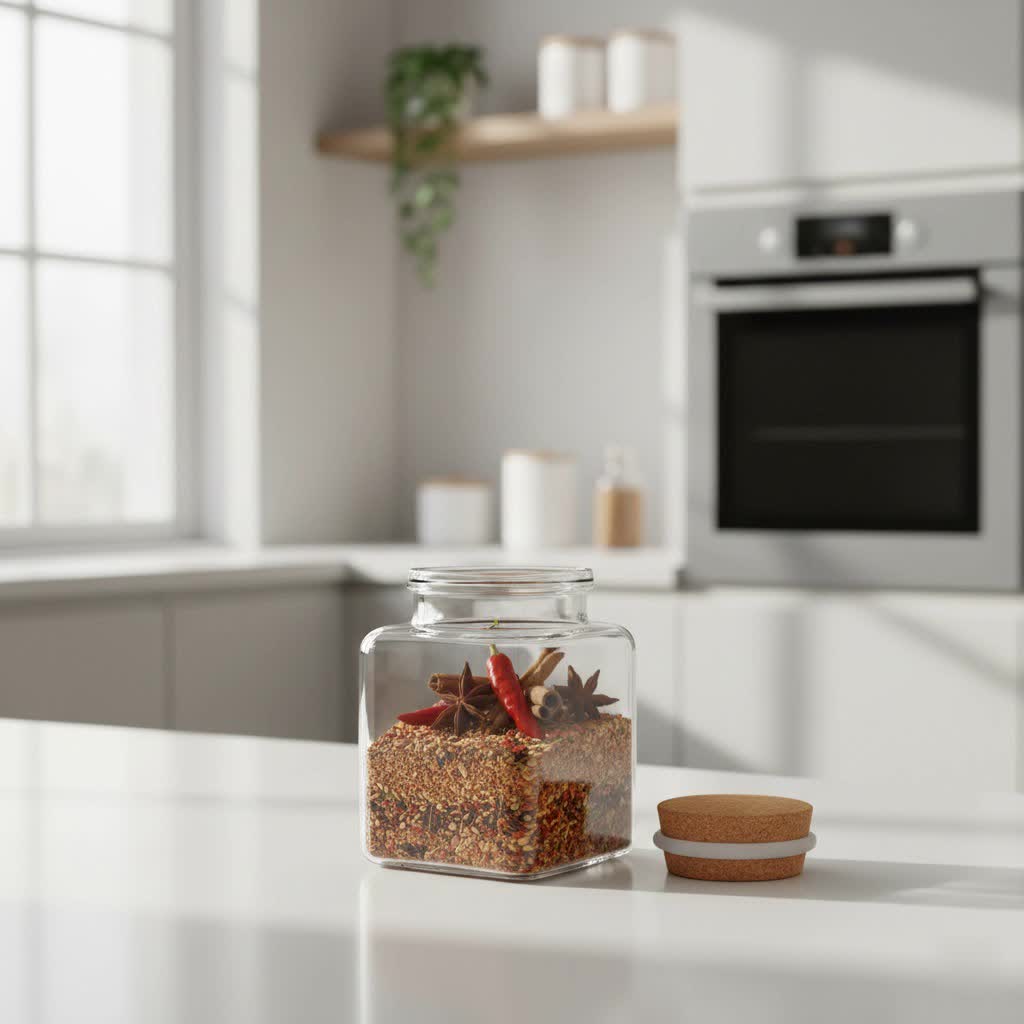
Every home cook faces the universal challenge of maximizing kitchen storage. From spices to grains, the humble glass jar is a pantry staple, but the choice between round and square shapes often sparks a debate: which truly saves more space? Understanding the nuances of each design can transform your cluttered cabinets into an organized haven, making your culinary endeavors smoother and more efficient. Let’s explore the practical advantages and disadvantages to help you decide which glass jar shape is the perfect fit for your kitchen.
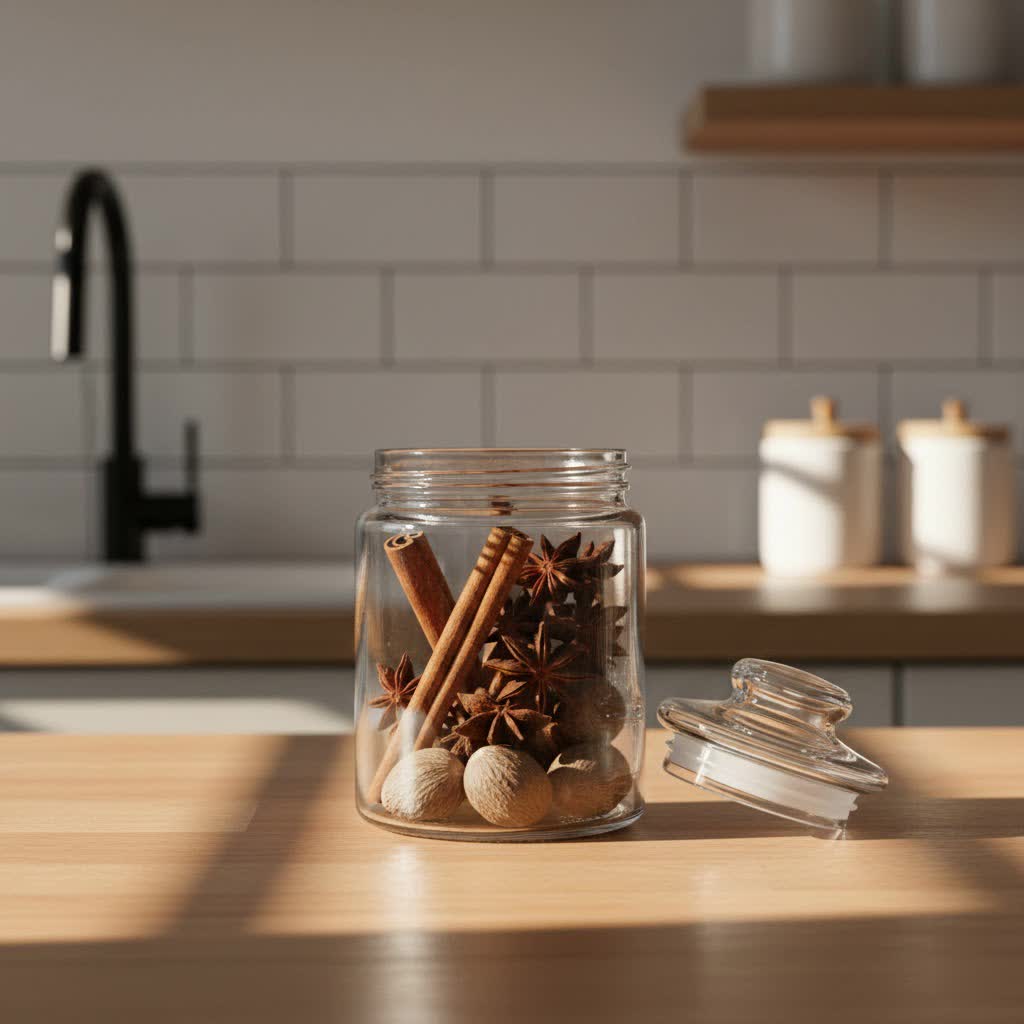
The Undeniable Appeal of Square Glass Jars for Space Efficiency
When it comes to optimizing storage, square glass jars often emerge as the clear winner. Their geometric design allows them to pack tightly together, eliminating the wasted gaps that naturally occur between round containers. This inherent efficiency can significantly increase your storage capacity, with some estimates suggesting an improvement of up to 25% more space compared to their circular counterparts. Imagine reclaiming a quarter of your shelf space simply by choosing the right shape!
Beyond just fitting snugly side-by-side, square jars also boast superior stacking capabilities. Their flat tops and bottoms create stable layers, allowing you to maximize vertical storage in cabinets and pantries without the precarious wobbles often associated with round jars. This makes them ideal for dry goods such as flour, sugar, rice, pasta, and various spices, where every inch of shelving is precious. Furthermore, the flat surfaces of square jars provide ample room for clear labeling, making it easier to identify contents at a glance and maintain a visually appealing, organized aesthetic.
The Enduring Benefits of Round Glass Jars
While square jars excel in space utilization, round glass jars offer a distinct set of advantages that make them indispensable in many kitchens. Their inherent structural strength is a significant benefit; the continuous curve of a round jar distributes pressure evenly across its surface, making it less prone to chipping or breaking, especially under internal pressure or accidental bumps. This durability can translate to a longer lifespan for your jars, a valuable consideration for frequently used items.
For certain contents and applications, round jars also provide superior functionality. Their smooth, curved interiors are remarkably easy to clean, preventing food particles from getting trapped in corners and reducing the risk of bacterial buildup. When dealing with liquids like soups, broths, or sauces, the smooth sides and lack of sharp angles in round jars facilitate easier pouring, minimizing drips and spills. Moreover, round containers are often preferred for tasks requiring stirring, as the circular shape allows for a more fluid motion. They are also excellent for canning, and for thawing frozen goods, as the shape promotes more even air circulation. In deep cabinets, the ability of round jars to roll slightly can make accessing items at the back much simpler.
Round vs. Square Glass Jars: A Feature Comparison
To help you navigate the choice, here’s a direct comparison of the key features:
| Feature | Round Glass Jars | Square Glass Jars |
|---|---|---|
| Space Efficiency | Less efficient; leaves gaps between jars. | Highly efficient; packs tightly, increasing capacity by ~25%. |
| Stacking | Less stable; prone to wobbling. | Highly stable; easy to stack vertically. |
| Durability | Stronger; even pressure distribution, fewer weak points. | Corners are stress points; more prone to chipping. |
| Ease of Cleaning | Easier to clean; no sharp corners for food to stick. | Can be harder to clean corners. |
| Pouring Liquids | Smoother, more controlled pouring. | Can lead to uneven flow, drips, or glugging. |
| Labeling | Curved surface can make labels warp or peel. | Flat surfaces are ideal for clear, legible labels. |
| Handling/Grip | Generally easier to hold. | Can be slightly less maneuverable. |
| Best For | Liquids, canning, stirring, freezing/thawing. | Dry goods, pantry organization, maximizing shelf space. |
Choosing the Right Jar for Your Kitchen Needs
The “best” glass jar shape ultimately depends on your specific storage needs and the items you intend to store. If your primary goal is to maximize every inch of pantry, cabinet, or refrigerator space, particularly for dry goods like spices, flours, sugars, and pasta, then square glass jars are your optimal choice. Their ability to tessellate neatly and stack securely will revolutionize your organization.
However, if you frequently store liquids, homemade sauces, or engage in canning projects, the durability, ease of cleaning, and smooth pouring experience of round glass jars make them a more practical selection. They also shine when uniform thawing or stirring is a consideration.
Many expert organizers, including myself, recommend a combination of both shapes. Utilizing square jars for neatly arranged dry ingredients and reserving round jars for liquids or items that benefit from their unique structural and ergonomic advantages can create a highly functional and aesthetically pleasing kitchen. The key is to assess what you store most frequently and tailor your jar collection accordingly.
Tips for Optimizing Storage with Mixed Jar Shapes
Even with a mix of jar shapes, strategic organization can help maintain order and efficiency:
- Designated Zones: Assign specific shelves or drawers for square jars (dry goods) and round jars (liquids or canned items).
- Vertical Dividers: Use shelf dividers to keep round jars from rolling and to create neat rows for square jars.
- Consistent Sizes (within shapes): Opt for square jars of similar dimensions and round jars of similar dimensions to enhance stackability and visual cohesion, even if the shapes differ.
- Clear Labeling: Regardless of shape, always label your jars clearly. This is crucial for quick identification and preventing mix-ups.
- Consider Purpose-Built Storage: Some spice racks or drawer organizers are designed to specifically accommodate square or round jars, further enhancing their respective benefits.
Conclusion
The debate between round and square glass jars for space saving is a nuanced one, with each shape offering distinct benefits. Square jars are undeniably superior for maximizing storage density and vertical stacking, making them perfect for dry pantry staples and creating a streamlined, uniform look. Conversely, round jars excel in durability, ease of cleaning, and handling liquids, proving invaluable for certain culinary tasks.
Ultimately, the most efficient kitchen often incorporates both. By understanding the unique strengths of each, you can make informed choices that not only save precious space but also enhance the functionality and aesthetic appeal of your home. So, which shape will you choose to transform your kitchen organization today?
Frequently Asked Questions
Are square glass jars more prone to breaking than round ones?
|
Our Picks for the Best Glass spice jar in 2026
As an Amazon Associate I earn from qualifying purchases.
|
||
| Num | Product | Action |
|---|---|---|
| 1 | ComSaf 4 oz 6Pcs Glass Spice Jars with Label, Empty Spice Containers with Bamboo Lids, Square Seasoning Containers Trial and Supplement Set, Small Seasoning Bottles for Salt, Herbs, Sugar, Pepper |

|
| 2 | NETANY 24 Pcs Glass Spice Jars with Bamboo Lids, 4 oz Glass Jars with Minimalist Farmhouse Spice Labels Stickers, Collapsible Funnel, Seasoning Storage Bottles for Spice Rack, Cabinet, Drawer |
|
| 3 | SKOCHE Spice Jars 20 Pack Small 4 oz Glass Jars with Airtight Hinged Lids, Spice Herb Jars with Labels and Silicone Funnels, 4oz Glass Jars with Lids Ideal for Spice Herbs |
|
| 4 | DkOvn 12pcs Glass Spice Jars, 4oz Empty Spice Jars with Metal Caps, Labels, Shaker Lids, Collapsible Funnel, Chalk Pen, Seasoning Organizer for Spice Rack |
|
| 5 | ComSaf 6Pcs 4oz Glass Spice Jars with Shaker Lids, 21 Labels, Spice Jars Trial Set & Supplement Set, Empty Spice Containers and Square Spice Bottles for Kitchen and Seasoning |
|
| 6 | Churboro 25 Spice Jars with 547 Labels- Glass Spice Jars with Black Metal Caps, 4oz Empty Spice Containers with Shaker Lids, Funnel, Chalk Pen, Square Seasoning Bottles for Spice Rack, Drawer, Cabinet |
|
| 7 | ZUFECY 4oz Glass Spice Bottles with Shaker Lids, Restaurant & Home Kitchen Storage | Square Air-Tight Containers for Spices, Salt, Pepper (Set of 6, 120ml) |
|
| 8 | 2Pcs 4oz Glass Spice Jars with Shaker Lids, Spice Jars Trial Set & Supplement Set, Empty Spice Containers and Square Spice Bottles for Kitchen (Bamboo Lids) |
|
| 9 | 2 Pcs Glass Spice Jars/Bottles - 3oz Empty Round Spice Containers with Airtight Metal Caps with Shaker Lids (2, clear) |
|
| 10 | Yangbaga 24Pcs Glass Spice Jars with Labels-4OZ Wood Lid Square Spice Containers with Pepper Grinder Lids &Funnel,Seasoning Jars for Rack Cabinet Drawer |
|
Yes, generally, square glass jars can be more susceptible to breakage, particularly at their corners. This is because the corners act as stress points where pressure concentrates, unlike round jars which distribute force more evenly across their curved surface, making them inherently stronger and more resistant to impacts.
How much space can I realistically save by switching to square jars?
Switching to square jars for dry goods can significantly increase your storage capacity. Many sources suggest that square jars can provide approximately 25% more usable space compared to round jars of similar volume due to their ability to pack tightly without gaps. This makes a substantial difference in pantries and cabinets with limited dimensions.
Are round jars harder to label than square ones?
Yes, round jars can be more challenging to label effectively compared to square jars. The curved surface of round jars can cause labels to buckle, wrinkle, or peel at the edges, making them less legible. Square jars, with their flat sides, provide an ideal, smooth surface for applying clear and professional-looking labels.