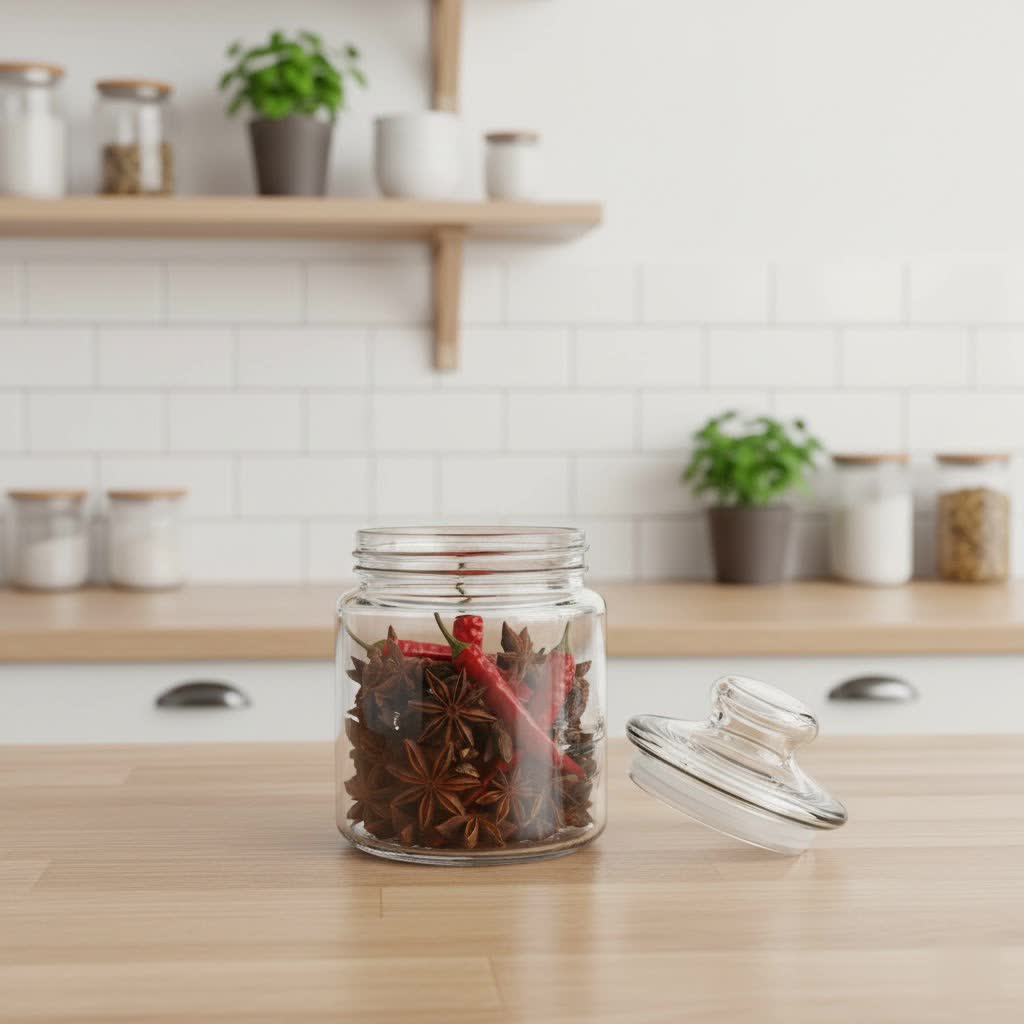
Imagine reaching for your favorite cinnamon or paprika, only to find its once vibrant aroma and taste have faded, leaving behind a dull ghost of its former self. This common kitchen dilemma often boils down to how we store our precious spices. While glass jars are a popular choice for their elegance and practicality, not all glass is created equal when it comes to safeguarding those potent flavors. The critical question for any home chef is: does clear glass or amber glass offer superior protection for your spice collection? Understanding the distinct properties of each can profoundly impact the longevity and potency of your culinary essentials.
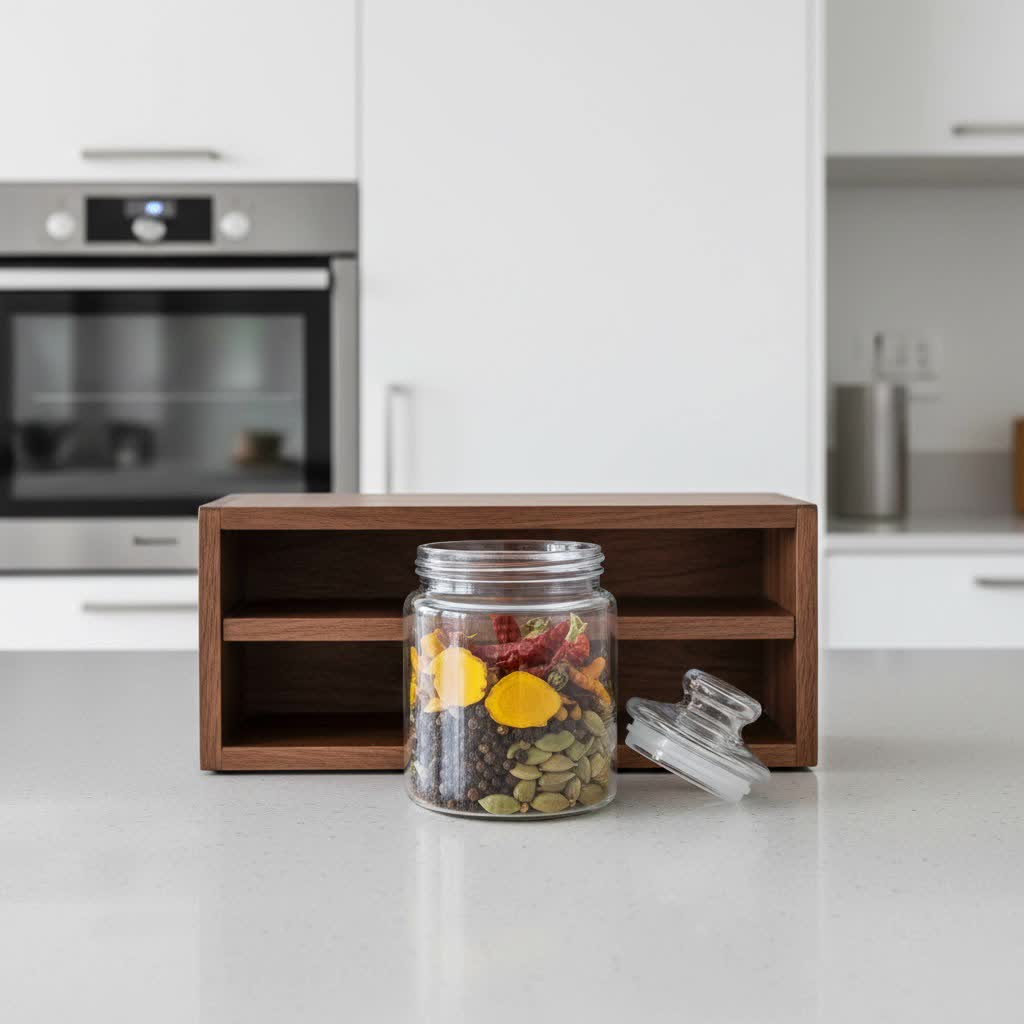
Understanding Spice Degradation: The Enemy Within
Why do spices lose their vibrant potency over time? The primary culprits are light, air, heat, and moisture, all of which conspire to diminish the very qualities we value most in our seasonings. Of these, light, particularly ultraviolet (UV) rays, is a silent destroyer. Spices are photosensitive, meaning their delicate chemical compounds—responsible for aroma, flavor, and color—break down and oxidize when exposed to light. This degradation process can cause volatile essential oils to evaporate, pigments to fade, and even beneficial antioxidants to lose their efficacy. Ground spices are especially vulnerable due to their increased surface area, offering more points of contact for light and oxygen to initiate deterioration. Ultimately, this means your once pungent cumin or brilliant turmeric can become bland and less vibrant, robbing your dishes of their intended depth.
The Role of Glass in Spice Preservation
Glass is widely regarded as an excellent material for spice storage due to its inert and non-reactive nature; it won’t leach chemicals into your spices or absorb their aromas. This ensures the purity of your ingredients remains intact. Furthermore, with a proper airtight seal, glass containers effectively block out moisture and oxygen, two other significant contributors to spice degradation. However, the true efficacy of glass jars in preserving spices hinges significantly on their color. While glass itself is generally superior to plastic for long-term storage, its ability to protect against light damage varies dramatically between clear and amber varieties, making the choice of glass color a crucial consideration for optimal spice preservation.
Amber Glass: The Unseen Shield
What makes amber glass a superior choice for protecting light-sensitive contents? This distinctive brown hue is not merely for aesthetics; it’s a functional shield. Amber glass is manufactured with specific added minerals, such as iron, sulfur, and carbon, which imbue it with its characteristic color. This unique composition allows amber glass to effectively filter out harmful ultraviolet (UV) rays, blue light, and most visible light wavelengths below 450 nanometers.
For spices, this translates into significant benefits. By blocking these damaging light spectra, amber glass helps prevent the degradation and oxidation of the volatile compounds and pigments that give spices their flavor, aroma, and vibrant color. This protective barrier dramatically extends the shelf life and maintains the potency of your spices, ensuring they remain fresh and impactful for longer. The efficacy of amber glass in protecting light-sensitive substances is widely recognized, which is why it’s commonly used for storing essential oils, certain pharmaceuticals, and beverages like beer, where maintaining product integrity against light exposure is paramount.
Clear Glass: The Visual Appeal vs. The Hidden Cost
Clear glass, with its transparent nature, offers an undeniable aesthetic advantage, allowing the vibrant colors of your spice collection to be beautifully displayed. For many, the ability to quickly identify spices at a glance without opening the jar is a major convenience and a key reason for its popularity. However, this transparency comes with a hidden cost for the longevity and quality of your spices.
Unlike amber glass, clear glass offers virtually no protection against harmful light wavelengths, including UV rays. It allows the full spectrum of visible light to pass through, directly exposing your spices to the very elements that accelerate their degradation. This constant exposure to light causes the delicate essential oils and pigments within spices to break down more rapidly, leading to a quicker loss of flavor, aroma, and color. While clear glass is inert and won’t chemically react with your spices, its lack of light-filtering properties makes it a less-than-ideal choice for storing light-sensitive ingredients, especially if those jars are kept in open shelving or on countertops where they are regularly exposed to ambient light. The visual appeal of clear glass, therefore, often compromises the potency and shelf life of the spices it holds.
Clear vs. Amber: A Direct Comparison for Spices
When deciding between clear and amber glass for your spice collection, it’s essential to weigh their specific attributes against your priorities.
| Feature | Clear Glass | Amber Glass |
|---|---|---|
| Light Protection | Minimal. Allows all visible light and harmful UV rays to pass through, accelerating degradation. | Superior. Blocks visible light, UV rays, and blue light (wavelengths below 450 nm), significantly protecting contents. |
| Spice Preservation | Poor. Leads to faster loss of flavor, aroma, color, and nutritional compounds due to light exposure. | Excellent. Maintains potency, preserves volatile compounds, extends shelf life, and protects flavor and color. |
| Visibility | High. Allows for easy visual identification of spices and showcases their vibrant colors, enhancing kitchen aesthetics. | Low. Obscures the contents, making visual identification more challenging, often requiring labels. |
| Aesthetics | Modern, clean, and transparent. Ideal for showcasing colorful spices in a display-oriented kitchen. | Vintage, earthy, and organic appeal. Conveys a sense of protection and tradition. |
| Cost | Generally more affordable to produce, leading to lower retail prices. | Slightly higher in cost due to the additional minerals required in its production. |
| Durability | Inherently durable and chemically inert. Can be thinner and may show scratches more prominently over time. | Highly durable and chemically inert. Often slightly more robust due to the added minerals, offering good resistance to wear. |
| Recyclability | 100% recyclable, contributing to sustainable practices. | 100% recyclable, though some recycling facilities might require separate sorting due to coloration. |
| Best For | Spices stored in consistently dark environments (e.g., deep pantry, drawer) or those used very quickly where aesthetics are prioritized over long-term preservation. | All spices, especially those stored for extended periods, or when optimal flavor and potency preservation is the primary concern, regardless of storage location. |
Making the Right Choice for Your Kitchen
Choosing the right glass for your spices involves a thoughtful balance between aesthetics, convenience, and the ultimate goal of preserving their quality.
Prioritize Preservation: If maintaining the peak flavor, aroma, and color of your spices for as long as possible is your main concern, amber glass is the unequivocally superior choice. Its protective qualities against light degradation simply cannot be matched by clear glass.
Consider Storage Location: Your kitchen’s layout plays a crucial role. If your spices are destined for a dark, closed pantry or a drawer, clear glass might be acceptable as they are already shielded from light. However, for spices kept on open shelving, countertops, or in any area exposed to ambient light, amber glass becomes a necessity to prevent rapid deterioration.
Balance Aesthetics and Function: For those who love the visual appeal of a colorful spice rack, a compromise might be to use amber jars for bulk or long-term storage of most spices, while reserving a few smaller clear jars for frequently used, fast-moving spices that are rotated often. Alternatively, you could display aesthetically pleasing clear jars in a dedicated, dark cupboard.
Look for Additional Features: Regardless of glass color, always ensure your spice jars have airtight seals. These are crucial for blocking out oxygen and moisture, which are also major enemies of spice freshness. Some modern “UV protection” clear glass options are emerging, but always verify their effectiveness through reputable reviews or product specifications.
Tips for Storing Spices (Beyond Glass Type)
Beyond the crucial choice between clear and amber glass, several best practices can further safeguard your spices:
- Cool, Dark, Dry: Always store your spices in a cool, dark, and dry environment. A closed cabinet or drawer, away from direct sunlight and artificial light, is ideal.
- Airtight Seals: Ensure all your spice jars, regardless of their color, have tight-fitting lids or airtight seals to prevent air and moisture from getting in. This is critical for preventing clumping and preserving volatile oils.
- Away From Heat: Avoid storing spices near heat sources like stoves, ovens, or dishwashers. Heat accelerates the evaporation of essential oils, causing spices to lose their flavor more quickly.
- Whole is Better: Whenever possible, buy whole spices (e.g., whole peppercorns, cumin seeds) and grind them just before use. Whole spices retain their potency significantly longer than pre-ground varieties.
- Buy Small, Use Fast: Purchase spices in smaller quantities that you expect to use within a few months. This ensures you’re always working with fresher ingredients and reduces the chance of them sitting and losing potency, regardless of how well they’re stored.
“Investing in proper spice storage is not just about organizing your kitchen; it’s about investing in the quality and vibrancy of your cooking. The right jar can make all the difference.” – Chef Elena Rodriguez, Culinary Arts Educator
In the culinary world, every detail matters, and the choice of spice storage is no exception. While clear glass offers undeniable visual appeal, amber glass emerges as the champion for preserving the true essence of your spices. Its ability to block damaging light wavelengths safeguards the delicate flavors, aromas, and colors that make your dishes sing. By opting for amber glass, coupled with smart storage practices, you ensure that every pinch and dash delivers its full potential. So, what steps will you take to elevate your spice preservation strategy and unlock the maximum flavor from your kitchen staples?
Frequently Asked Questions
Do spices really go bad in clear glass?
Table is empty.Yes, spices can degrade more quickly in clear glass. Clear glass does not block UV or visible light, which causes the volatile compounds responsible for flavor, aroma, and color to break down and oxidize faster. While they may not “spoil” in the sense of becoming unsafe, they will definitely lose their potency and vibrancy at an accelerated rate compared to spices stored in protective amber glass or opaque containers.
Can I use amber glass for all my spices?
Absolutely. Amber glass is suitable for virtually all spices, whether whole or ground. Its superior light-blocking properties ensure that even the most delicate or potent spices maintain their quality over a longer period. While visibility is reduced, proper labeling can easily solve this minor inconvenience, making amber glass a universally beneficial choice for comprehensive spice preservation.
What about other colored glass jars for spices?
While amber glass is the most common and effective choice for blocking a broad spectrum of harmful light, other dark-colored glasses, such as dark violet or cobalt blue, can also offer some level of UV protection. Dark violet glass, specifically, is sometimes marketed as being even more protective, blocking harmful light while allowing beneficial light. However, amber glass remains a widely accessible, proven, and cost-effective option for general spice storage.
How long do spices last in amber glass jars?
When stored correctly in airtight amber glass jars in a cool, dark, and dry place, whole spices can last for 2-3 years, while ground spices typically maintain their potency for about 1 year. This is a significantly longer lifespan for flavor and aroma compared to spices stored in clear glass under similar conditions, as the amber glass actively mitigates light-induced degradation.