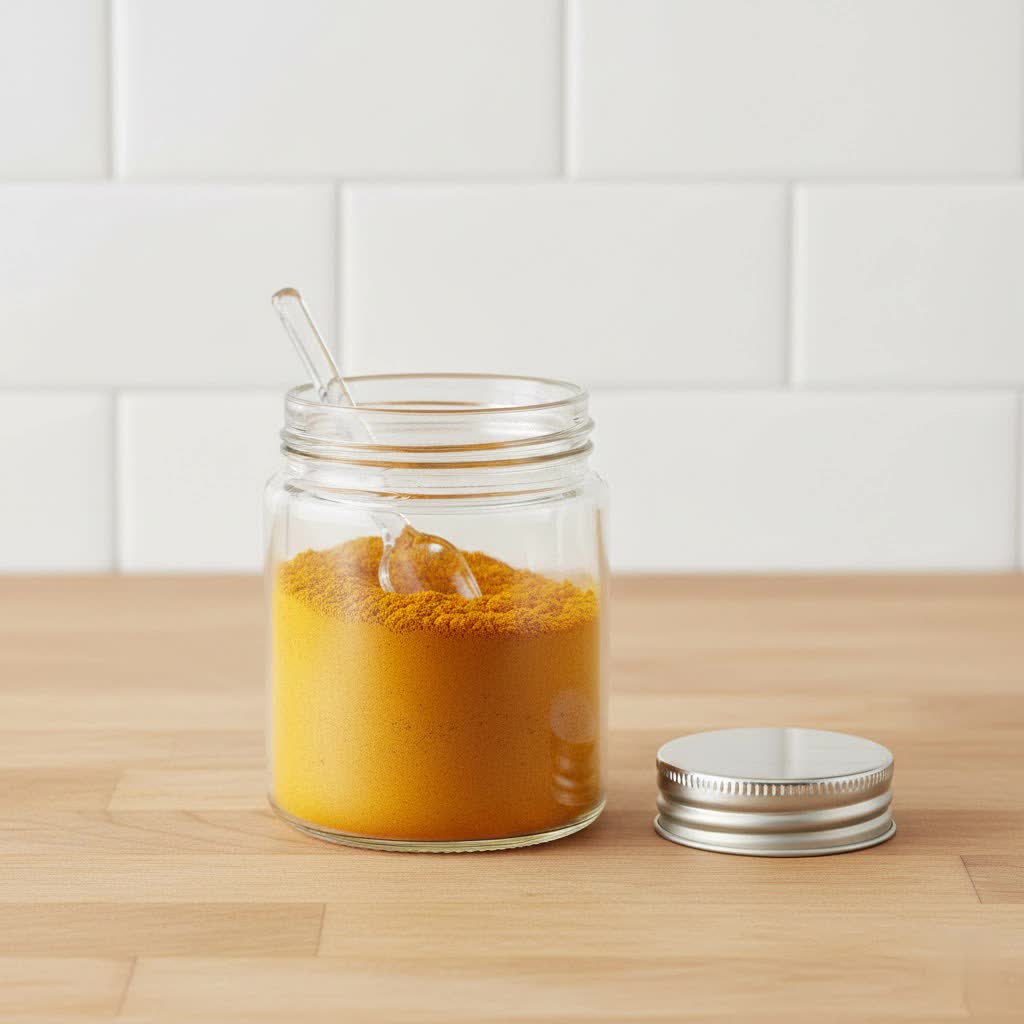
In the culinary world, where every pinch and dash matters, the humble spice jar plays a pivotal role. But it’s not just the glass jar itself that counts; the shaker insert and lid design are equally critical to preserving flavor and ensuring effortless use. As an expert with over a decade in home appliances, particularly passionate about spice storage, I understand the nuances of these small but mighty kitchen essentials. Choosing between plastic and metal shaker tops for your glass spice jars involves more than just aesthetics; it’s about functionality, durability, and ultimately, the longevity and potency of your cherished spices. This guide will help you navigate the options, ensuring your spices remain fresh, accessible, and ready to elevate your cooking.
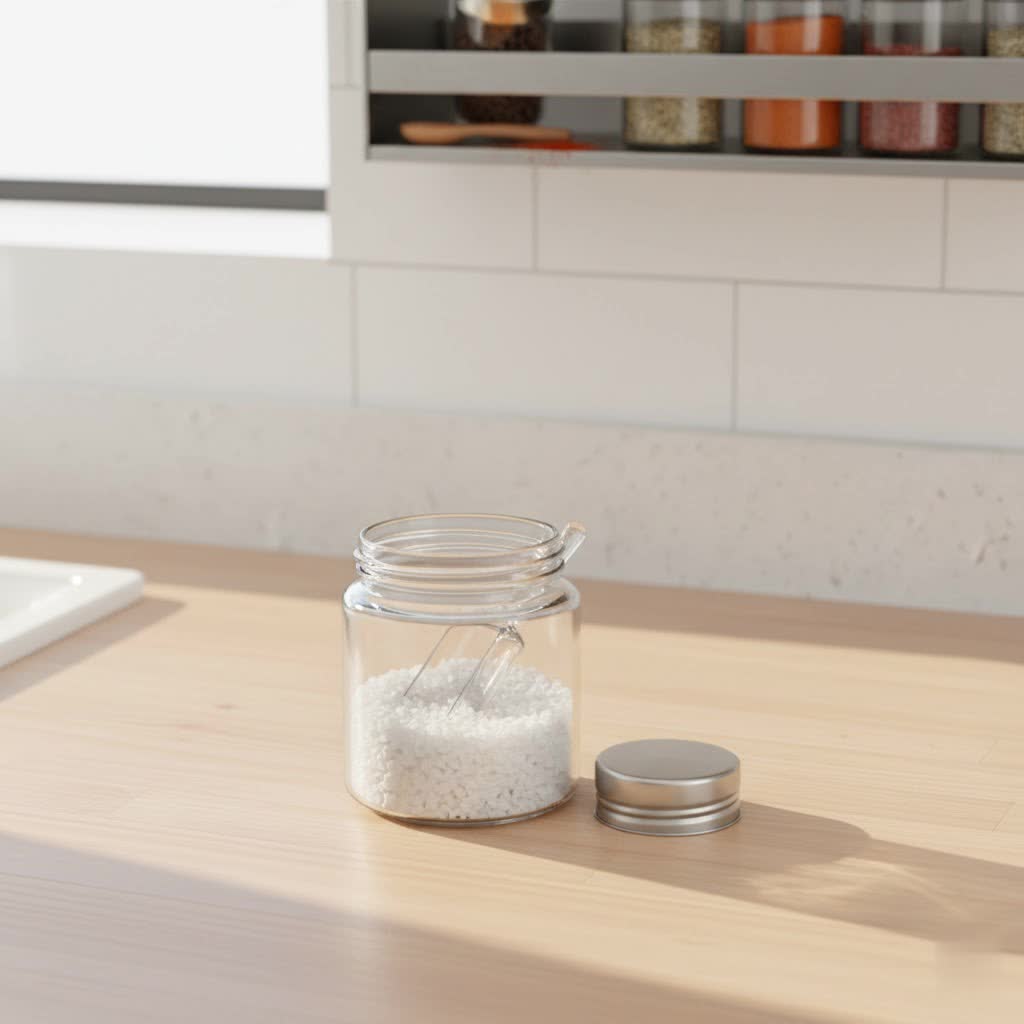
The Advantages of Shaker Inserts: Plastic vs. Metal
Shaker inserts are designed to provide controlled dispensing, making it easier to season your dishes precisely without over-pouring. The material of these inserts, whether plastic or metal, brings its own set of benefits to your kitchen organization.
Plastic Shaker Inserts
Table is empty.Plastic inserts are a common and often cost-effective choice for spice jars. They are lightweight, making jars easy to handle, especially for those with many spices. Many modern plastic inserts are made from food-grade materials like polypropylene (PP) or polyethylene (PET), designed to be BPA-free and safe for food contact. They offer flexibility in design, allowing for various hole patterns, from small sifting holes for fine powders to larger openings for dried herbs. Their affordability also means they are easily replaceable if they become worn or stained, offering a practical solution for everyday spice storage.
Metal Shaker Inserts
Metal shaker inserts, typically crafted from stainless steel (often 304 grade), present a more robust and premium option. Stainless steel is renowned for its exceptional durability, resistance to rust and corrosion, and its non-reactive nature, which means it won’t leach chemicals or alter the taste of your spices. These inserts often boast a more refined appearance, complementing the clear glass of the jar for a cohesive, elegant kitchen aesthetic. Many metal designs feature adjustable openings, allowing you to twist or slide to select different hole sizes or a pour spout, offering superior versatility for various spice textures. Their sturdy construction also contributes to better sealing, helping to maintain spice freshness over time.
Comparing Plastic and Metal Shaker Inserts for Glass Spice Jars
When it comes to selecting the ideal shaker insert, understanding the direct comparison between plastic and metal is key. Each material brings distinct characteristics to the table, impacting everything from your spices’ longevity to your daily cooking experience.
| Feature | Plastic Shaker Inserts | Metal (Stainless Steel) Shaker Inserts |
|---|---|---|
| Material Safety | Often BPA-free food-grade plastic (PP, PET), generally safe. | 304-grade stainless steel, highly food-safe and non-reactive. |
| Durability | Lightweight, less prone to breaking, but can deform, age, or scratch. | Highly durable, rust-proof, resistant to corrosion and wear. |
| Aesthetics | Clear or colored, functional, may look less premium over time. | Sleek, modern, and often more elegant, maintaining appearance. |
| Airtightness | Varies, some designs can be less airtight, prone to moisture ingress. | Often provides a tighter seal, especially with silicone gaskets. |
| Ease of Cleaning | Generally dishwasher safe, can sometimes retain odors or stain. | Dishwasher safe, rust-proof, easy to clean, less likely to retain odors. |
| Versatility | Fixed hole sizes or simple flip mechanisms. | Often features adjustable hole sizes (small, medium, large) and pour spouts. |
| Cost | Generally more affordable. | Typically a higher initial investment. |
| Environmental Impact | Higher environmental footprint if not recycled; eco-friendly options exist. | More energy-intensive to produce, but highly reusable and recyclable. |
Types of Shaker Inserts and Lids
Beyond the core material, shaker inserts and their accompanying lids come in a variety of configurations, each designed to cater to different culinary needs and preferences.
Fixed-Hole Inserts
These are the most basic type, featuring a set pattern of holes – typically small for fine powders like salt, pepper, or garlic powder, and sometimes slightly larger holes for granulated spices. They are straightforward and effective for everyday use, offering consistent dispensing with a simple shake.
Adjustable Shaker Tops
A popular and versatile option, adjustable shaker tops allow you to rotate or slide a portion of the lid to reveal different hole sizes. This is incredibly useful for kitchens with a diverse range of spices, from finely ground herbs to coarser flakes like chili or dried oregano. Many also include a larger pour opening, ideal for scooping with a measuring spoon or quickly adding generous amounts of spice.
Flip-Top Lids with Inserts
Combining the best of both worlds, some lids feature a flip-top mechanism that reveals a shaker insert. This design often provides an extra layer of protection, keeping the shaker holes covered when not in use, which can help prevent moisture and air exposure, thus prolonging freshness. The flip-top also makes for quick, single-handed access during busy cooking sessions.
Sifter and Pour Combinations
Many modern shaker inserts offer a dual functionality: a section with multiple sifting holes and another with a larger opening for pouring. This allows for both precise sprinkling and more liberal seasoning or easy measurement with a spoon. Some designs even incorporate a straight edge for leveling off spoonfuls, adding to their practical appeal.
Specialized Inserts
For unique ingredients, you might find specialized inserts. For instance, some are designed with larger slots specifically for bay leaves or dried chili pods, ensuring that these larger items can be easily retrieved or dispensed. Others might have a built-in grinder for whole spices, though these are typically part of the lid assembly rather than a separate insert.
How to Choose the Right Shaker Insert for Your Glass Spice Jars
Selecting the perfect shaker insert goes beyond just what looks good; it’s about aligning functionality with your cooking style and spice collection. Consider these factors to make an informed choice that enhances your kitchen experience.
Determine Your Spice Usage and Type
What kind of spices do you primarily use? For fine powders like salt, pepper, or paprika, smaller, fixed sifting holes might suffice. If your pantry is filled with a mix of fine, granulated, and coarse spices like dried herbs or chili flakes, an adjustable shaker with multiple hole sizes and a pour spout will offer greater flexibility. Consider how frequently you use certain spices; frequently used ones might benefit from an easy-to-access pour option.
Prioritize Material Safety and Durability
Since these inserts will be in direct contact with your food, material safety is paramount. Look for labels indicating “food-grade” plastic (like BPA-free PP or PET) or 304-grade stainless steel. If durability is a top concern and you want inserts that will withstand frequent use and washing without deforming or rusting, stainless steel is often the superior choice. Its robust nature means it can handle the rigors of a busy kitchen, providing a long-lasting solution.
Evaluate Airtightness and Freshness Preservation
The primary goal of any spice storage is to keep your spices fresh, aromatic, and potent. A tight seal is crucial to prevent air, moisture, and light from degrading your spices. Look for shaker inserts that fit snugly into your glass jars and lids that create an airtight barrier. Some metal lids come with silicone gaskets, which significantly enhance sealing performance. While some plastic lids claim to be airtight, metal lids with proper seals often offer superior long-term freshness.
Consider Ease of Cleaning and Maintenance
Spices can leave residues, so ease of cleaning is a practical consideration. Both plastic and stainless steel inserts are generally dishwasher safe, but stainless steel is less likely to absorb odors or stains over time. Inserts with fewer intricate crevices will be easier to clean manually. The ability to easily remove the shaker insert from the main lid is also beneficial for thorough washing, preventing any buildup that could affect hygiene or flavor.
Match Your Kitchen Aesthetic and Budget
Finally, consider how the shaker inserts will fit into your kitchen’s overall look. Stainless steel offers a sleek, professional appearance that complements most modern kitchens, while various plastic colors can add a pop of personality. Your budget will also play a role; plastic inserts are generally more economical, making them a great option for stocking a large number of spices without a significant upfront investment. Metal inserts, while pricier, often justify the cost through their longevity and superior performance.
Maintenance and Care for Shaker Inserts
Proper care for your shaker inserts is essential to ensure they function optimally and maintain the quality of your spices. A little attention goes a long way in preventing clogs, odors, and the degradation of your kitchen tools.
Regular Cleaning
After each use, especially with oily or finely ground spices, it’s wise to quickly wipe down the shaker insert. For a deeper clean, disassemble the insert from the lid and wash it with warm, soapy water. This prevents spice residues from hardening and clogging the holes, which can be particularly stubborn to remove later. Many plastic and stainless steel inserts are dishwasher safe, offering a convenient cleaning method.
Tackling Stubborn Clogs and Residue
If spice particles have dried and clogged the holes, a small brush (like a bottle brush or even an old toothbrush) can be highly effective. For very persistent clogs, soaking the insert in hot, soapy water for 15-30 minutes can help loosen the debris. For metal inserts, a baking soda paste can gently scrub away residues without scratching. Always ensure the inserts are thoroughly rinsed to remove all soap and spice particles.
Odor Removal
Plastic inserts, while convenient, can sometimes absorb strong spice odors over time. To combat this, wash them thoroughly and then soak them in a solution of warm water and white vinegar (a 1:1 ratio) for an hour or two. Alternatively, a paste of baking soda and water can be applied, left to sit for a few hours, and then rinsed. For stainless steel, odors are rarely an issue due to its non-porous nature, but a good wash is always beneficial.
Drying and Storage
After washing, ensure your shaker inserts are completely dry before reassembling them and placing them back on your spice jars. Moisture can lead to clumping of spices, promote bacterial growth, or even cause rust on metal components if not properly dried. Air drying on a rack or using a clean towel is recommended. Store jars with their cleaned and dried inserts in a cool, dark place away from direct sunlight and heat, which can degrade both spices and plastic materials over time.
Conclusion
Choosing between plastic and metal shaker inserts for your glass spice jars isn’t just a minor decision; it’s a choice that impacts the freshness, accessibility, and overall enjoyment of your culinary endeavors. While plastic offers an economical and lightweight solution with diverse design options, metal, particularly stainless steel, stands out for its superior durability, non-reactive properties, and often more elegant aesthetic. Both have their place in the kitchen, and the best choice ultimately depends on your specific needs, the types of spices you store, and your personal preference for longevity and style.
By carefully considering factors like material safety, durability, airtightness, and ease of cleaning, you can select shaker inserts that not only complement your Glass Spice Jars but also ensure your spices remain vibrant and flavorful for longer. Investing a little thought into these small components can make a significant difference in your daily cooking routine, transforming your spice collection from mere ingredients into an organized arsenal of flavor. Which shaker insert material will you choose to elevate your kitchen experience?
Frequently Asked Questions
How do I prevent my shaker inserts from getting clogged?
Regular cleaning is key. After each use, wipe down the insert, and for a deeper clean, wash it with warm, soapy water. For stubborn clogs, soak the insert in hot, soapy water or use a small brush to clear the holes. Ensuring spices are completely dry before storage also helps prevent clumping and clogging.
Are plastic shaker inserts safe for all spices?
Most plastic shaker inserts are made from food-grade, BPA-free plastics like PP or PET, making them generally safe for various spices. However, some plastic types might absorb strong odors or colors from potent spices over time. If you’re concerned about chemical leaching or odor retention, stainless steel is a non-reactive alternative.
Can metal shaker inserts rust?
High-quality metal shaker inserts, typically made from 304-grade stainless steel, are designed to be rust-proof and corrosion-resistant. Lower quality metals might be susceptible to rust, especially if frequently exposed to moisture or harsh detergents. Always check the material grade when purchasing.
How often should I replace my shaker inserts?
The lifespan of a shaker insert depends on its material and usage. Plastic inserts might need replacing every few years if they show signs of warping, cracking, or excessive staining/odor absorption. High-quality stainless steel inserts can last for many years, often only needing replacement if they become damaged or if the adjustable mechanism wears out.
Do shaker inserts affect the freshness of spices?
Yes, shaker inserts and their lids play a crucial role in maintaining spice freshness. An insert that provides a tight seal with the jar and lid helps prevent air and moisture exposure, which are primary culprits in spice degradation. Conversely, loose-fitting or poorly sealing inserts can lead to spices losing their aroma and potency more quickly.