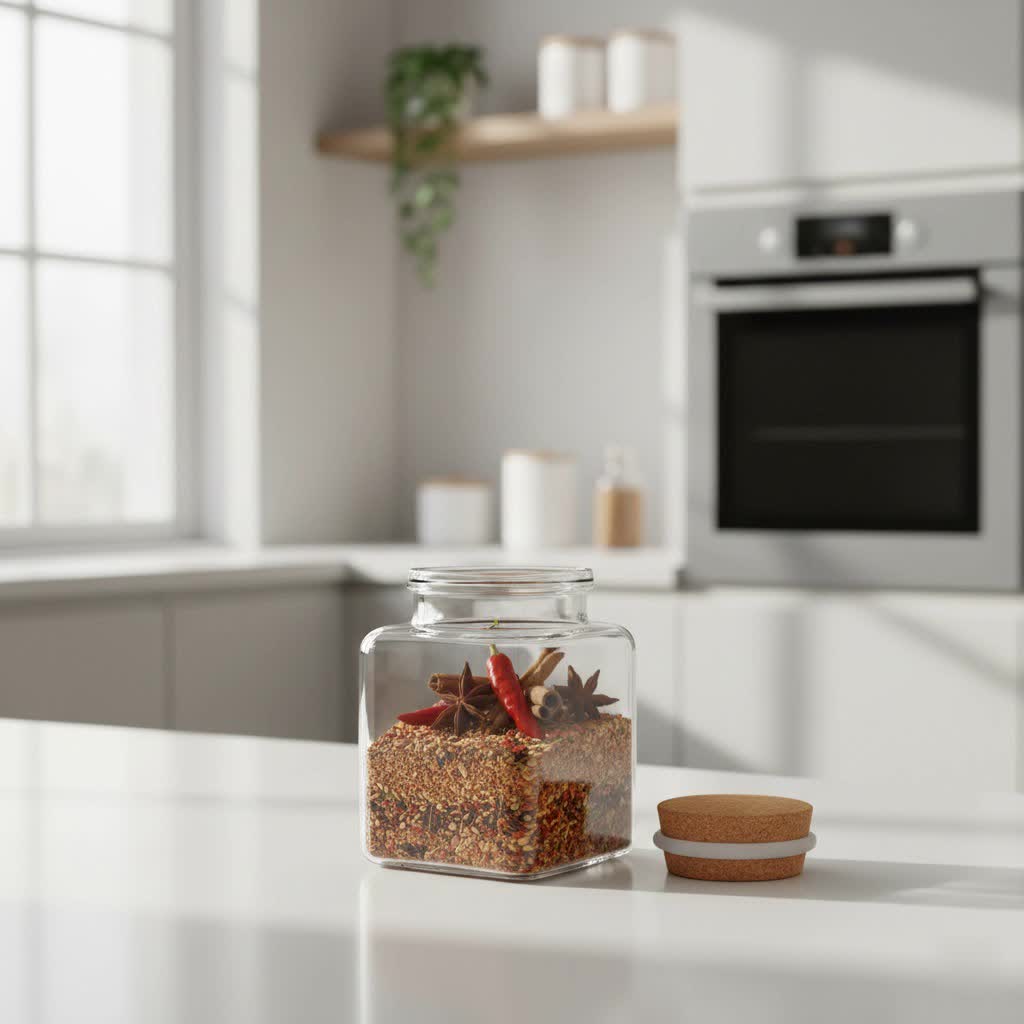
In the realm of home decor, few elements marry timeless elegance with practical utility quite like the apothecary-style glass jar. These captivating vessels, with their distinctive silhouettes and often ornate stoppers, offer a unique way to display and preserve the delicate beauty of dried flowers. Whether you’re a seasoned botanical enthusiast or just beginning to explore the charm of everlasting blooms, choosing the right apothecary jar can elevate your interior design, transforming simple arrangements into captivating focal points. This guide will walk you through the essential considerations for selecting and styling the perfect glass apothecary jars to showcase your cherished dried flowers.
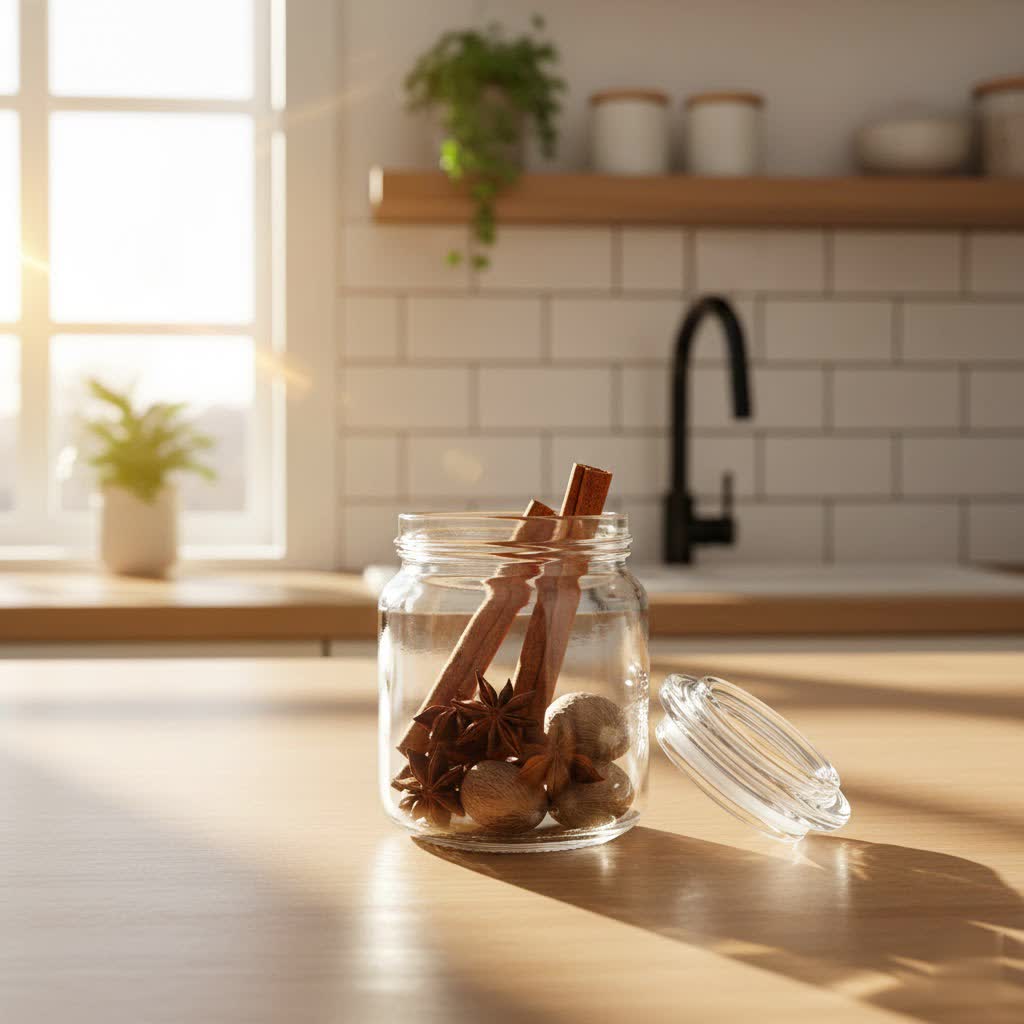
What Makes a Jar “Apothecary Style”?
The term “apothecary” harks back to medieval Europe, referencing the pharmacies and alchemist labs where these jars first served their purpose. Traditionally, apothecaries used these containers to store medicinal herbs, tinctures, and various compounds, demanding designs that were both functional and visually appealing. Today, the apothecary style retains this vintage aesthetic, characterized by sturdy glass construction, often clear or amber hues, wide mouths for easy access, and tight-fitting lids—ranging from simple cork stoppers to elaborate ground glass stoppers or secure screw-tops. Modern interpretations maintain this classic charm while adapting to diverse decor needs, becoming coveted items for organizing, storing, and beautifully displaying everything from pantry staples to bath salts and, of course, dried botanicals.
Why Glass Apothecary Jars Are Ideal for Dried Flowers
Opting for glass apothecary jars for your dried flower arrangements brings a host of benefits, blending aesthetic appeal with superior preservation qualities.
Optimal Preservation
Dried flowers, while inherently long-lasting, still require a stable environment to retain their beauty and structure. Glass jars, particularly those with airtight seals, act as a protective barrier against external elements that can degrade your botanicals over time.
- Airtight Seal: The most crucial feature is an airtight seal, preventing exposure to air, dust, and humidity. This minimizes the drying out of delicate petals and prevents the accumulation of dust, which can dull colors and textures. Many glass jars feature compression seals or ground glass stoppers designed to create this essential airtight environment.
- Humidity Control: High humidity can lead to mold and mildew, while low humidity can cause excessive drying and brittleness. Glass jars help maintain a consistent micro-environment, shielding your dried flowers from damaging fluctuations in moisture.
- UV Protection: While clear glass showcases your flowers beautifully, colored glass, such as amber or violet (Miron glass), provides an added layer of UV protection. This is vital for preventing the fading of natural colors, ensuring your dried blooms retain their vibrancy for an extended period.
|
Our Picks for the Best Glass spice jar in 2026
As an Amazon Associate I earn from qualifying purchases.
|
||
| Num | Product | Action |
|---|---|---|
| 1 | Yangbaga 24Pcs Glass Spice Jars with Labels-4OZ Wood Lid Square Spice Containers with Pepper Grinder Lids &Funnel,Seasoning Jars for Rack Cabinet Drawer |

|
| 2 | DkOvn 12pcs Glass Spice Jars, 4oz Empty Spice Jars with Metal Caps, Labels, Shaker Lids, Collapsible Funnel, Chalk Pen, Seasoning Organizer for Spice Rack |
|
| 3 | 2Pcs 4oz Glass Spice Jars with Shaker Lids, Spice Jars Trial Set & Supplement Set, Empty Spice Containers and Square Spice Bottles for Kitchen (Bamboo Lids) |
|
| 4 | NETANY 24 Pcs Glass Spice Jars with Bamboo Lids, 4 oz Glass Jars with Minimalist Farmhouse Spice Labels Stickers, Collapsible Funnel, Seasoning Storage Bottles for Spice Rack, Cabinet, Drawer |
|
| 5 | SKOCHE Spice Jars 20 Pack Small 4 oz Glass Jars with Airtight Hinged Lids, Spice Herb Jars with Labels and Silicone Funnels, 4oz Glass Jars with Lids Ideal for Spice Herbs |
|
| 6 | ComSaf 4 oz 6Pcs Glass Spice Jars with Label, Empty Spice Containers with Bamboo Lids, Square Seasoning Containers Trial and Supplement Set, Small Seasoning Bottles for Salt, Herbs, Sugar, Pepper |
|
| 7 | 2 Pcs Glass Spice Jars/Bottles - 3oz Empty Round Spice Containers with Airtight Metal Caps with Shaker Lids (2, clear) |
|
| 8 | ZUFECY 4oz Glass Spice Bottles with Shaker Lids, Restaurant & Home Kitchen Storage | Square Air-Tight Containers for Spices, Salt, Pepper (Set of 6, 120ml) |
|
| 9 | Churboro 25 Spice Jars with 547 Labels- Glass Spice Jars with Black Metal Caps, 4oz Empty Spice Containers with Shaker Lids, Funnel, Chalk Pen, Square Seasoning Bottles for Spice Rack, Drawer, Cabinet |
|
| 10 | ComSaf 6Pcs 4oz Glass Spice Jars with Shaker Lids, 21 Labels, Spice Jars Trial Set & Supplement Set, Empty Spice Containers and Square Spice Bottles for Kitchen and Seasoning |
|
Enduring Aesthetics
Beyond their functional advantages, glass apothecary jars are inherently beautiful, offering a classic elegance that enhances any space.
- Showcasing Beauty: The transparency of clear glass allows the intricate details, textures, and subtle colors of your dried flowers to be fully appreciated. It transforms your botanical arrangements into miniature art installations.
- Timeless Charm: With their vintage-inspired look, apothecary jars effortlessly complement a wide range of interior styles, from rustic farmhouse and bohemian chic to minimalist modern and industrial decor. They introduce a sense of history and sophistication.
- Versatile Decor: Available in various shapes and sizes, these jars can be grouped for a cohesive display or used individually as striking accent pieces. Their visual weight and classic lines make them impactful decorative items even when empty.
Physical Protection
Dried flowers are delicate and prone to damage if not properly handled or displayed.
- Structural Integrity: Unlike soft-sided containers or open displays, the rigid structure of a glass jar protects fragile dried flowers from accidental crushing, bending, or breakage, helping them maintain their original form.
- Dust Barrier: An enclosed glass jar keeps dust at bay, significantly reducing the need for cleaning and minimizing the risk of damage that can occur during handling.
Durability and Safety
Glass is a superior material for long-term storage and display.
- Non-Reactive Material: Glass is chemically inert, meaning it will not react with the flowers or leach any chemicals, preserving the natural essence and integrity of your botanicals. This is especially important for preserving delicate scents or colors.
- Easy to Clean: Glass jars are simple to clean with warm soapy water and maintain their clarity over time, unlike some plastics that can scratch or cloud.
Choosing Your Perfect Apothecary Style Glass Jar
Selecting the ideal apothecary jar involves considering several factors that balance both functionality and aesthetic appeal for your dried flower display.
Glass Type and Quality
The type of glass significantly impacts both the look and preservation capabilities of the jar.
- Clear Glass: Perfect for when you want the dried flowers themselves to be the undisputed stars, offering full visibility and maximizing light interaction.
- Colored Glass (Amber, Cobalt Blue, Violet/Miron): These options provide crucial UV protection, helping to prevent the fading of delicate colors in your dried flowers. Miron glass, a deep violet hue, is specifically designed to block harmful light while allowing beneficial light frequencies to pass through, enhancing preservation.
- Borosilicate Glass: Known for its superior durability, resistance to thermal shock, and scratch resistance, borosilicate glass is an excellent choice for a long-lasting jar.
Lid Mechanism
A tight-fitting lid is paramount for preserving dried flowers.
- Ground Glass Stoppers: These classic stoppers create a remarkably secure, airtight seal, a hallmark of traditional apothecary wares. They offer an elegant, sophisticated look.
- Cork Stoppers: Cork provides a rustic, natural aesthetic and a good seal, particularly when paired with a snug fit.
- Screw-Top Lids with Gaskets: Modern apothecary jars often feature screw-top lids, sometimes with rubber or silicone gaskets, which offer excellent airtightness and ease of use. Materials can include metal, bamboo, or glass.
Size and Shape
Apothecary jars come in a myriad of sizes and shapes, allowing for diverse display options.
- Shapes: From classic round and stately cylindrical to elegant urn-shaped or distinctively square, the shape can dramatically influence the overall presentation. Consider a slender jar for single stems or a wider, more bulbous one for a lush arrangement.
- Sizes: Jars range from small vials (under 100ml) perfect for tiny sprigs or individual petals, to medium (100-250ml) for small bouquets, and large (over 250ml to several gallons) for grand, impactful displays. Match the size to the scale of your dried flowers and the space where it will be displayed. Wide mouths are generally easier for arranging larger flowers.
Aesthetic Appeal
Your personal style and existing decor should guide your choice.
- Vintage vs. Modern: Some jars lean into a more antique, ornate look, while others offer a sleek, minimalist take on the apothecary theme.
- Clarity vs. Texture: Decide if you prefer perfectly smooth, clear glass or if subtle textures, etching, or even bubbles in recycled glass appeal to your aesthetic.
Comparison: Glass vs. Other Materials for Dried Flower Displays
When it comes to displaying dried flowers, glass stands out against other common materials.
| Material | Advantages | Disadvantages |
|---|---|---|
| Glass | Elegant, preserves well (airtight, UV if colored), non-reactive, easy to clean, showcases flowers. | Fragile, heavier, potentially higher cost. |
| Plastic | Lightweight, inexpensive, shatterproof. | Can scratch/cloud, prone to static (damages delicate flowers), may contain harmful chemicals, less aesthetic appeal. |
| Ceramic/Porcelain | Opaque (good for UV if dark), offers unique aesthetic. | Cannot see contents, can be difficult to clean thoroughly, still breakable, often heavier. |
| Metal | Durable, unbreakable, opaque. | Can corrode, may affect delicate scents/colors, cannot see contents, less versatility in style. |
Creative Display Ideas for Dried Flowers in Apothecary Jars
Apothecary jars are versatile canvases for your dried floral artistry. Here are some inspiring ways to display them:
- Simple Elegance: A single, striking dried flower or a small, minimalist bouquet can create a powerful statement in a clear apothecary jar.
- Layered Botanicals: Create a captivating terrarium-like effect by layering different types of dried flowers, grasses, and even small decorative elements like sand or pebbles at the bottom.
- Thematic Groupings: Arrange several apothecary jars of varying sizes and shapes together on a shelf or mantelpiece, each holding a different type of dried botanical for a curated, botanical cabinet look.
- Seasonal Displays: Fill jars with dried elements that reflect the season—think warm-toned leaves and seed pods for autumn, frosted branches for winter, or delicate pastels for spring.
- Enchanted Scenes: Add tiny fairy lights inside a clear apothecary jar alongside dried flowers for a magical, ambient glow, perfect for evening decor.
- Personalized Keepsakes: For a truly unique touch, consider pressing flowers and adhering them to the outside of the jar with a clear sealant, creating a bespoke botanical art piece.
- “Curiosity Cabinet” Vibe: Mix and match different jars, filling some with dried flowers, others with interesting stones, feathers, or other natural curiosities to evoke an old-world explorer’s collection.
“Apothecary jars transcend mere storage; they are miniature worlds, preserving nature’s fleeting beauty and adding a layer of sophisticated narrative to your living space.” – Elara Vance, Botanical Art Curator
Where to Find Your Apothecary Treasures
High-quality apothecary-style glass jars can be found in a variety of places, depending on whether you seek new, artisan, or vintage pieces.
- Home Decor Retailers: Stores like Crate & Barrel and The Container Store often stock modern apothecary jars in various sizes and clear glass.
- Online Marketplaces (Etsy): For unique, handmade, or genuinely vintage apothecary jars, Etsy is an excellent resource. You’ll find a wide array of styles, including those specifically marketed for dried flowers and botanicals.
- Specialty Glassware Shops: Retailers specializing in glass containers, such as BottleStore.com, offer bulk options and often higher-quality glass types like borosilicate, suitable for long-term preservation.
- Antique Stores and Flea Markets: These locations are treasure troves for authentic vintage apothecary jars, each with its own history and character. Look for distinctive stoppers and unique glass tints.
Care & Maintenance for Your Apothecary Jars and Dried Flowers
Proper care ensures both your jars and their contents remain beautiful for years.
- Cleaning Jars: For general cleaning, wash glass jars with warm, soapy water. For stubborn residues or to remove odors, a mixture of white vinegar and water or a lemon water soak can be effective. Always dry thoroughly to prevent water spots, especially before adding dried flowers.
- Maintaining Dried Flowers:
- Keep Dry: Ensure dried flowers are completely dry before placing them in jars. Avoid displaying them in high-humidity areas like bathrooms.
- Avoid Direct Sunlight: Even with UV-protective glass, prolonged exposure to direct sunlight can cause colors to fade. Place your jars in areas with indirect light or use colored glass jars for added protection.
- Gentle Handling: Dried flowers are fragile. Arrange them carefully and avoid unnecessary movement of the jar once the display is set.
- Safe Handling: Remember that glass can be fragile. Handle your apothecary jars with care to prevent chips or breakage.
Conclusion
Apothecary-style glass jars offer an enchanting and practical solution for displaying dried flowers, blending historical charm with contemporary elegance. Their ability to preserve, protect, and beautifully showcase botanicals makes them an invaluable addition to any decor scheme. By carefully considering glass type, lid functionality, and aesthetic harmony, you can select the perfect jars to create captivating botanical displays that reflect your personal style and bring enduring natural beauty into your home. Embrace the timeless allure of apothecary jars and transform your dried flowers into cherished works of art.
Are you ready to begin curating your own collection of botanical treasures in these magnificent glass vessels?
Frequently Asked Questions
How do I clean my apothecary jars effectively?
To clean apothecary jars, wash them with warm, soapy water. For deeper cleaning or odor removal, soak them in a solution of equal parts white vinegar and water, or use lemon water. Rinse thoroughly and dry completely with a lint-free cloth to prevent water spots before adding dried flowers.
Can I put fresh flowers in an apothecary jar?
While glass apothecary jars can technically hold fresh flowers, their design, especially those with narrow necks and stoppers, isn’t always optimal for fresh flower arrangements that require water and frequent stem trimming. They are primarily designed for dry storage and display.
Do colored glass jars protect dried flowers better than clear ones?
Yes, colored glass jars, particularly those in amber, cobalt blue, or violet (Miron glass), offer superior protection against harmful UV light compared to clear glass. This helps significantly in preventing the fading of your dried flowers’ natural colors over time, preserving their vibrancy for longer.
What’s the best way to arrange dried flowers in a narrow-neck apothecary jar?
For narrow-neck apothecary jars, use tweezers or long-handled tools to carefully place individual stems or small bundles of dried flowers. Start with taller pieces in the center and gradually add shorter elements around them. Consider pre-arranging a small bouquet and gently sliding it in to minimize disruption.