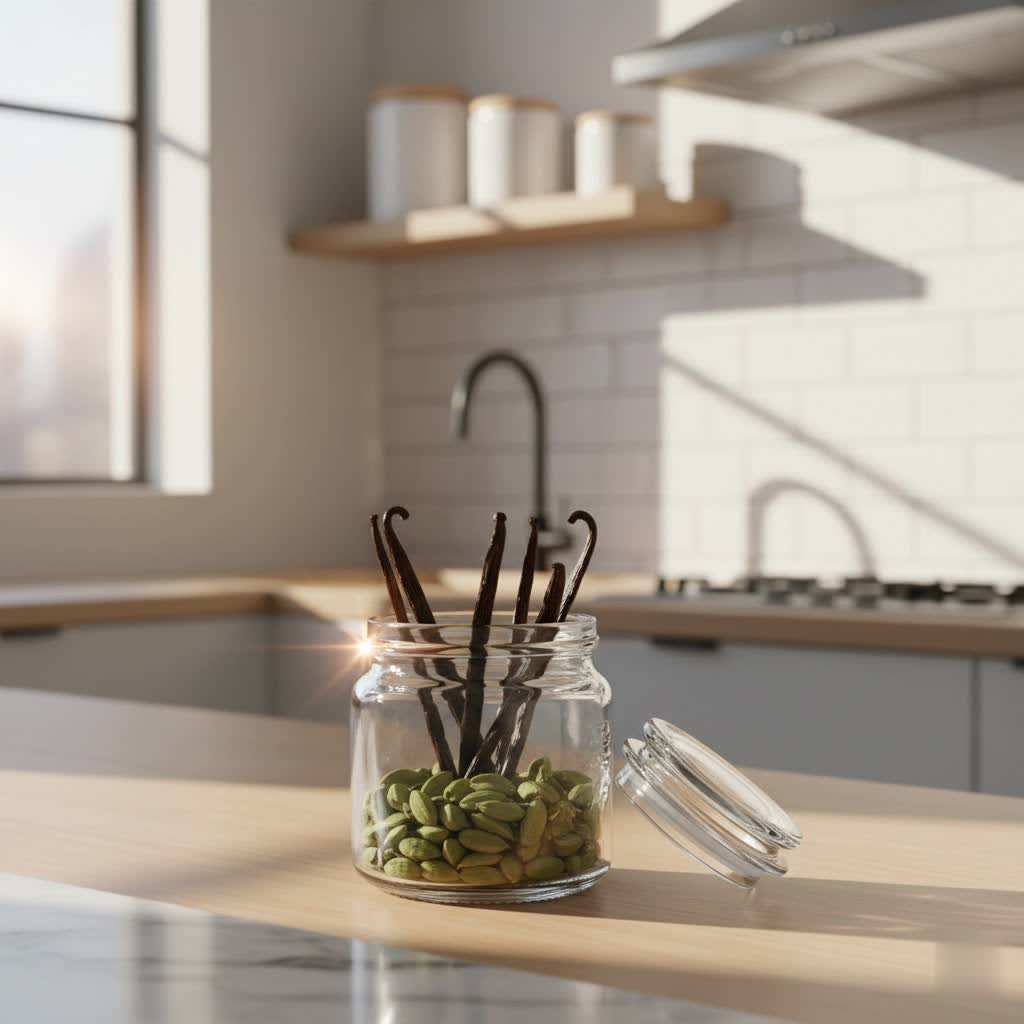
For culinary enthusiasts and professional chefs alike, saffron and other expensive spices are more than just ingredients; they are investments in flavor, aroma, and color. These precious commodities deserve the utmost care, and their storage plays a pivotal role in preserving their delicate integrity. While various containers exist, the discerning choice consistently points to small glass jars, particularly those designed with specific protective features. This comprehensive guide will illuminate why glass stands as the superior option, detailing the essential characteristics to seek out, comparing it with other materials, and offering expert tips to ensure your treasured spices retain their potency and allure for years to come.
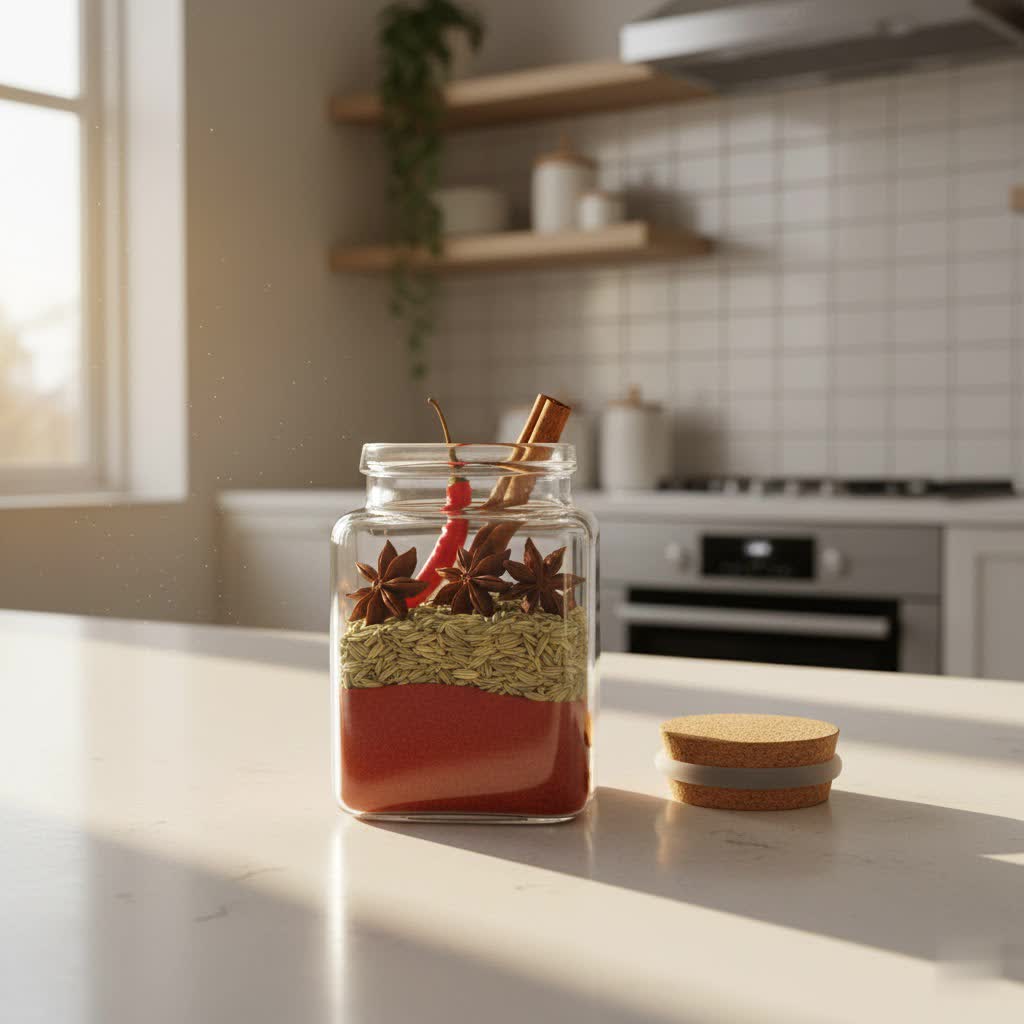
Why Glass Jars Reign Supreme for Precious Spices
When it comes to safeguarding the essence of costly spices like saffron, glass jars offer unparalleled advantages. Their inherent properties create an optimal environment, protecting against the primary enemies of spice longevity: air, moisture, and light. Selecting the right small glass jar is a commitment to preserving the nuanced flavors and vibrant colors that make these spices so extraordinary.
Chemical Inertness and Purity
|
Our Picks for the Best Glass spice jar in 2026
As an Amazon Associate I earn from qualifying purchases.
|
||
| Num | Product | Action |
|---|---|---|
| 1 | 2Pcs 4oz Glass Spice Jars with Shaker Lids, Spice Jars Trial Set & Supplement Set, Empty Spice Containers and Square Spice Bottles for Kitchen (Bamboo Lids) |

|
| 2 | ZUFECY 4oz Glass Spice Bottles with Shaker Lids, Restaurant & Home Kitchen Storage | Square Air-Tight Containers for Spices, Salt, Pepper (Set of 6, 120ml) |
|
| 3 | DkOvn 12pcs Glass Spice Jars, 4oz Empty Spice Jars with Metal Caps, Labels, Shaker Lids, Collapsible Funnel, Chalk Pen, Seasoning Organizer for Spice Rack |
|
| 4 | ComSaf 4 oz 6Pcs Glass Spice Jars with Label, Empty Spice Containers with Bamboo Lids, Square Seasoning Containers Trial and Supplement Set, Small Seasoning Bottles for Salt, Herbs, Sugar, Pepper |
|
| 5 | Yangbaga 24Pcs Glass Spice Jars with Labels-4OZ Wood Lid Square Spice Containers with Pepper Grinder Lids &Funnel,Seasoning Jars for Rack Cabinet Drawer |
|
| 6 | 2 Pcs Glass Spice Jars/Bottles - 3oz Empty Round Spice Containers with Airtight Metal Caps with Shaker Lids (2, clear) |
|
| 7 | ComSaf 6Pcs 4oz Glass Spice Jars with Shaker Lids, 21 Labels, Spice Jars Trial Set & Supplement Set, Empty Spice Containers and Square Spice Bottles for Kitchen and Seasoning |
|
| 8 | Churboro 25 Spice Jars with 547 Labels- Glass Spice Jars with Black Metal Caps, 4oz Empty Spice Containers with Shaker Lids, Funnel, Chalk Pen, Square Seasoning Bottles for Spice Rack, Drawer, Cabinet |
|
| 9 | NETANY 24 Pcs Glass Spice Jars with Bamboo Lids, 4 oz Glass Jars with Minimalist Farmhouse Spice Labels Stickers, Collapsible Funnel, Seasoning Storage Bottles for Spice Rack, Cabinet, Drawer |
|
| 10 | SKOCHE Spice Jars 20 Pack Small 4 oz Glass Jars with Airtight Hinged Lids, Spice Herb Jars with Labels and Silicone Funnels, 4oz Glass Jars with Lids Ideal for Spice Herbs |
|
One of glass’s most significant benefits is its chemical inertness. Unlike plastics, which can leach chemicals over time or absorb strong odors, high-quality glass does not react with acidic or oily substances found in spices. This ensures that the delicate flavor profile of your saffron or other expensive spices remains untainted, preventing any unwanted chemical interactions that could alter their taste or quality. Glass also prevents cross-contamination of aromas, allowing each spice to maintain its unique fragrance.
Airtight Protection
An airtight seal is paramount for spice preservation, preventing oxygen and moisture from degrading volatile compounds. Glass jars, especially those with tight-fitting lids, rubber gaskets, or vacuum seals, excel at creating a hermetic environment. This barrier effectively locks in freshness, ensuring that the potent oils responsible for a spice’s flavor and aroma are not lost to the surrounding air, thereby extending its shelf life significantly.
Light Defense
Light, particularly UV rays, can rapidly diminish the potency and vibrancy of many spices. This is especially true for saffron, where exposure to light can degrade crocin (color) and safranal (aroma) compounds. Dark-colored glass, such as amber or cobalt blue, acts as a natural UV filter, blocking up to 90% of harmful light. While clear glass is acceptable if stored in a dark cabinet, dark glass offers superior built-in protection.
Durability and Longevity
Glass is a remarkably durable material that, with proper care, can last a lifetime. It is resistant to scratches and maintains its pristine appearance through countless uses. Furthermore, glass is exceptionally easy to clean and sterilize, making it a hygienic and sustainable choice for storing food items. Its non-porous surface means it won’t harbor bacteria or odors, ensuring a fresh start for every new batch of spice.
Key Features to Look for in Small Glass Jars
Choosing the best small glass jars for saffron and expensive spices requires attention to specific details. These features contribute directly to the jar’s effectiveness in preserving the spice’s quality. Focusing on these aspects will help you make an informed decision that protects your valuable culinary assets.
Material and Color
The type and color of glass are crucial considerations. Opt for food-grade glass that is lead-free and BPA-free to ensure safety. For saffron and other light-sensitive spices, amber or cobalt blue glass is highly recommended due to its UV-filtering properties. If transparent glass jars are preferred for aesthetic reasons, ensure they are stored in a dark pantry or cabinet to mitigate light exposure.
Size and Capacity
Expensive spices are typically used in small quantities, making compact jars ideal. Small glass jars, often ranging from 5ml to 100ml (or approximately 0.17 to 3.4 fluid ounces), minimize the amount of air trapped inside. Less air exposure each time the jar is opened means better preservation of the spice’s delicate compounds. Look for jars with minimal headspace to further reduce oxidation.
Lid and Seal
The effectiveness of a spice jar hinges on its lid and sealing mechanism. Look for lids that create an airtight and moisture-proof seal. Screw-top lids with an internal liner, metal caps with rubber gaskets, or even cork stoppers (though cork may offer slightly less air tightness for long-term storage of very sensitive spices) are common. The seal should be strong enough to prevent any environmental ingress while remaining easy to open and close.
Design and Functionality
While preservation is key, practical design also enhances the user experience. Consider jars with a wide mouth for easy filling and dispensing, especially for delicate threads like saffron. Clear, writable labels or pre-printed options are helpful for quick identification. Some jars may include shakers or pour spouts, though for saffron, often a small spoon or tweezers are preferred for precise measurement. Aesthetic appeal can also be a factor, ensuring the jars complement your kitchen decor.
Safety and Cleanliness
Ensure the glass jars are made from non-toxic, food-safe materials. Dishwasher-safe jars are a bonus for convenient and thorough cleaning. The ability to easily clean and sterilize jars is vital for hygiene and preventing any residual odors or flavors from previous contents. Always ensure jars are completely dry before adding new spices to prevent moisture-related degradation.
Glass vs. Other Materials for Spice Storage
Understanding why glass excels involves comparing it to common alternatives. Each material has its trade-offs, but for high-value spices, glass consistently offers the most benefits for preservation.
| Material | Advantages | Disadvantages |
|---|---|---|
| Glass | Chemically inert, airtight, non-porous, easy to clean, recyclable, aesthetic. | Fragile, heavier, potentially higher upfront cost. |
| Plastic | Lightweight, shatterproof, inexpensive, portable. | Can leach chemicals (e.g., BPA), absorbs odors, porous (allows air/moisture), affects flavor, not as durable. |
| Metal | Durable, opaque (blocks light), unbreakable. | Can rust, may react with some spices, absorbs heat, difficult to see contents. |
| Ceramic/Stone | Aesthetic, opaque (blocks light), keeps cool. | Fragile, opaque (difficult to see contents), often porous, can be heavy and expensive. |
“The subtle nuances of saffron’s aroma and color are incredibly delicate; choosing a specialized glass jar is not just a storage solution, but an act of culinary respect.” – Chef Elena Rodriguez, Gastronomy Expert
Tips for Maximizing Spice Longevity
Even with the best glass jars, proper handling and storage practices are essential to extend the life of your expensive spices. By following these guidelines, you can ensure your saffron and other premium spices remain vibrant and potent.
Proper Storage Location
The environment where your jars are stored is as important as the jar itself. Always keep your spice jars in a cool, dark, and dry place. Avoid direct sunlight, heat sources like stoves or ovens, and areas prone to humidity (such as near a sink). A pantry, a closed cabinet, or a drawer is ideal. Consistent temperatures help prevent the degradation of volatile oils.
Handling Practices
Minimize exposure to air and moisture each time you use your spices. Open the jar only when necessary and reseal it immediately and tightly. When taking out a portion of spice, avoid introducing moisture (e.g., from a wet spoon). For bulk purchases of expensive spices, consider dividing them into several smaller jars. This way, only a small portion is exposed to air and light with each use, preserving the quality of the rest.
Cleaning and Maintenance
Regular cleaning of your spice jars is crucial. Wash them with warm, soapy water after each batch of spice, especially if you are refilling with a new spice. Ensure the jars are completely dry before adding new contents to prevent mold or clumping. If a jar retains a strong odor, a quick soak in white vinegar or lemon water can help neutralize it. Proper maintenance ensures your jars remain hygienic and do not impart unwanted flavors.
Conclusion
The pursuit of culinary excellence often begins with the quality of ingredients, and for precious spices like saffron, proper storage is non-negotiable. Small glass jars, particularly those crafted from dark, food-grade glass with an airtight seal, stand as the optimal choice for preserving these valuable components. Their chemical inertness, superior protection against light and moisture, and ease of cleaning ensure that the exquisite aroma, vibrant color, and potent flavor of your expensive spices are maintained for their fullest potential. Investing in these specialized containers is not merely a practical decision; it is a testament to your appreciation for the art of cooking and the exceptional ingredients that elevate it. How will you safeguard the soul of your spices?
Frequently Asked Questions
How do I remove strong odors from glass spice jars?
To effectively remove lingering odors from glass spice jars, wash them thoroughly with warm, soapy water. For stubborn smells, soak the jars in a solution of white vinegar and water for several hours or overnight. Alternatively, a paste made from baking soda and water, left to sit in the jar, can absorb unwanted aromas. Always rinse thoroughly and dry completely afterward.
Can saffron and expensive spices be refrigerated?
While refrigeration can extend the shelf life of some items, it’s generally not recommended for saffron or most expensive spices. The fluctuations in temperature and humidity inside a refrigerator can introduce moisture, which is detrimental to spice quality. Store them in a cool, dark, dry pantry instead, in airtight glass jars. If you must refrigerate, ensure the jar is absolutely airtight and dry, and only for short periods.
What is the ideal size for a saffron jar?
The ideal size for a saffron jar is small, typically ranging from 5ml to 30ml (0.17 to 1 fluid ounce), or up to 50ml for slightly larger quantities. This minimal capacity reduces the amount of air trapped inside the container. Since saffron is used sparingly and is very expensive, a smaller jar ensures that only a tiny portion is exposed to the elements each time it is opened, thus preserving its potency and freshness over time.
How long do spices last in small glass jars?
When stored correctly in small, airtight, dark glass jars in a cool, dark, dry place, whole spices can maintain peak freshness for 3-4 years, while ground spices generally last 2-3 years. Expensive spices like saffron, stored optimally, can retain their quality for 2-3 years. Always check for changes in aroma, color, or flavor as indicators of degradation.
Are clear glass jars acceptable for spice storage?
Clear glass jars are acceptable for spice storage only if they are kept in a consistently dark environment, such as a closed pantry, drawer, or cabinet. Light exposure, especially UV light, can degrade the flavor and color compounds in spices over time. For highly sensitive and expensive spices like saffron, dark amber or cobalt blue glass jars are always preferable for their inherent UV protection.